
Get in Touch with Didi Land

Indoor Playground Equipment Cost: 2026 Budget Guide

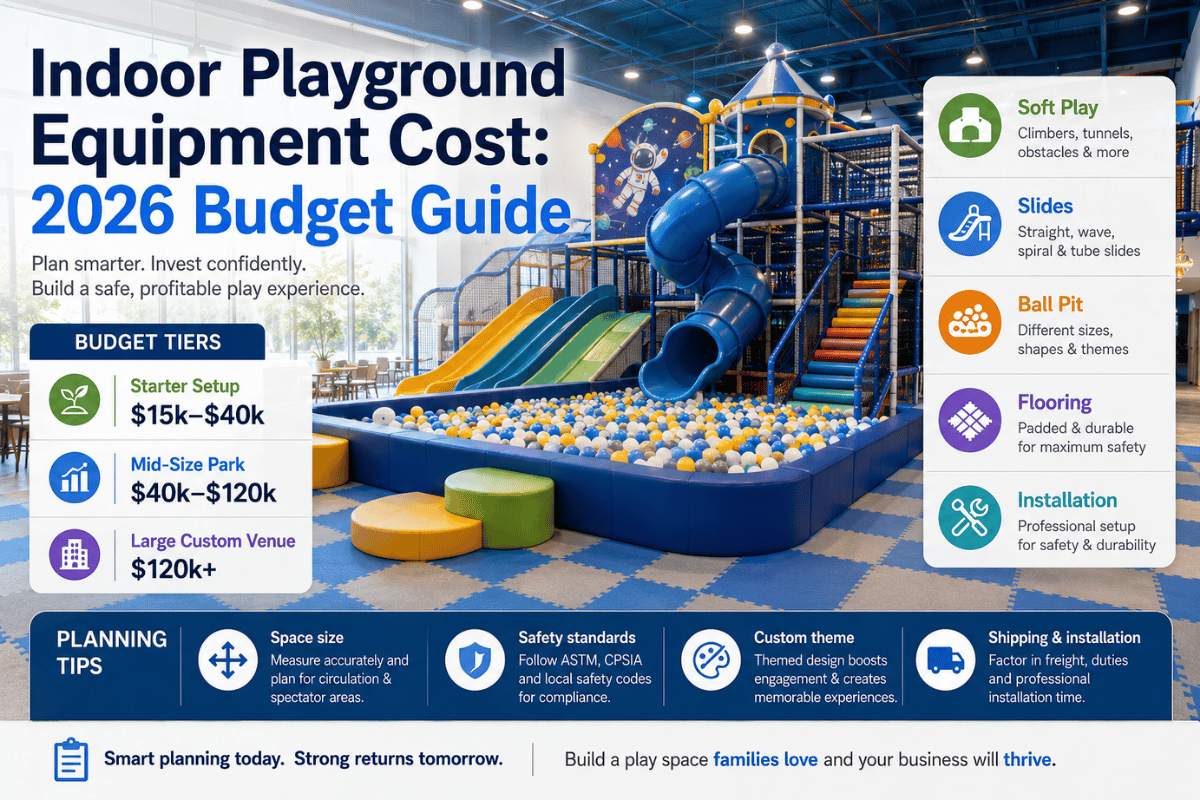
Indoor playground equipment cost is not one number. Compact play cafes, kindergarten play rooms, and flagship family entertainment centers can all ask for indoor play equipment, yet their quote files may have different footprints, steel frames, safety standards, freight routes, and installation needs.
This guide is written for commercial buyers who need a working budget before they request pricing. Use it to sort your project into a venue tier, check the 9 cost lines that change the quote, and prepare the floor plan data a supplier needs before a price becomes useful.
Check Your Cost Tier View commercial indoor play structures
Quick Specs Before You Ask For A Quote
| Budget bands | Compact, standard FEC, and flagship projects should be budgeted separately before supplier quotes are compared. |
|---|---|
| Main cost drivers | Footprint, ceiling height, age band, custom theme, product mix, safety standard, freight, duty, install labor, and inspection records. |
| Quote inputs | Floor plan, clear height, city and country, target opening date, compliance target, age range, revenue model, and photo/video notes from the venue. |
Commercial Indoor Playground Equipment Cost: 3-Tier Venue Budget Ladder
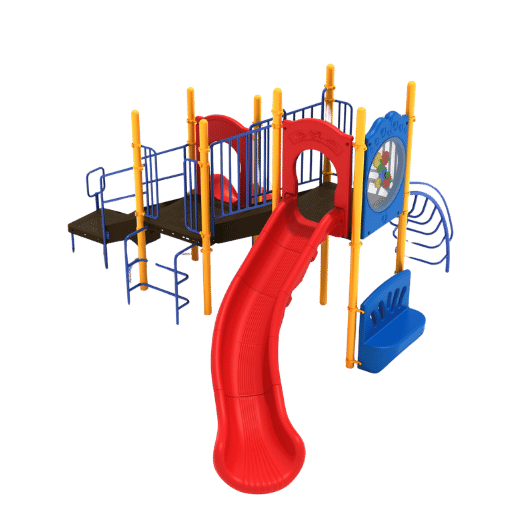
For a commercial indoor playground, a useful first budget is a tier, not a per-square-foot guess. The same 5,000 sq ft play area can cost less if it is a simple soft play layout, and far more if it has a multi-level climbing structure, themed fiberglass, toddler zones, ball pit, party rooms, and heavy-duty traffic planning.
Didi’s cost-tier calculator groups commercial projects into three planning bands: $50,000-$150,000 for compact venues, $150,000-$400,000 for standard family entertainment center projects, and $400,000-$1,000,000+ for flagship parks. Treat those bands as brand-site planning context, then ask for a line-item quote based on your exact floor plan.
| Venue tier | Planning range | Best fit | Risk to check |
|---|---|---|---|
| Compact play cafe | $50,000-$150,000 | 2,500-5,000 sq ft, toddler and small-child play | Rent, restroom access, local permits, and insurance approval |
| Standard FEC | $150,000-$400,000 | 5,000-10,000 sq ft, mixed-age play center | Party-room traffic, food/beverage path, staffing, and birthday revenue |
| Flagship indoor park | $400,000-$1,000,000+ | 10,000+ sq ft, mall anchor or large FEC | Fire review, imported containers, phased install, and maintenance staffing |
External supplier posts use many smaller and larger numbers, but their scope varies. Some quote equipment only. Others mix building prep, install, and startup costs into one figure. That is why a clean commercial indoor playground equipment cost estimate should name the venue size, the product type, and the excluded costs.
The 9-Line Playground Cost Stack: What Changes The Final Quote
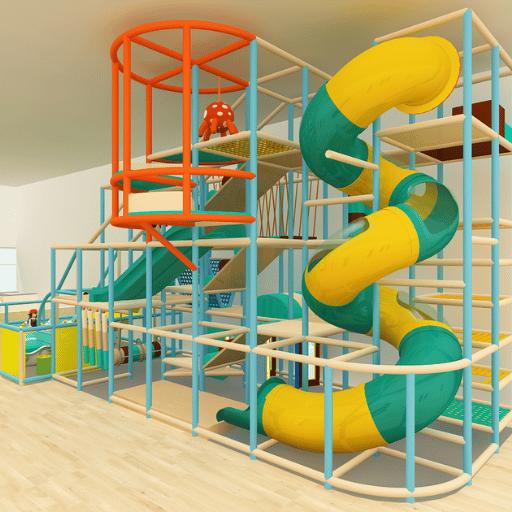
The 9-Line Playground Cost Stack is the fastest way to compare two indoor playground equipment quotes. If one supplier includes engineering drawings, safety paperwork, sea freight, install support, and spare parts while another lists only equipment, the cheaper quote may not be the cheaper project.
| Line | Cost item | What to ask |
|---|---|---|
| 1 | Design and layout | Are 2D and 3D drawings included before deposit? |
| 2 | Main play system | Which steel frames, platforms, netting, padding, and slides are counted? |
| 3 | Theming and finishes | Is custom fiberglass, signage, lighting, or brand color work included? |
| 4 | Toddler zone | Are low platforms, soft blocks, play mats, and age signage separate? |
| 5 | Surfacing and impact area | Which floor areas need impact-attenuating surfacing evidence? |
| 6 | Safety records | Which ASTM, EN, test, and inspection records will be supplied? |
| 7 | Packing and FOB terms | Is the price ex works, FOB, CIF, DDP, or another trade term? |
| 8 | Professional installation | Will the supplier send supervisors, drawings, video support, or a local crew? |
| 9 | Spare parts and maintenance | Which wear items are packed for the first 6-12 months? |
One bundled project price hides too much. Ask for the stack in writing, then compare each line with the same currency, same shipping term, same install scope, and same safety target.
Equipment Type Cost Map: Soft Play, Jungle Gym, Trampoline, Ball Pit, Slides
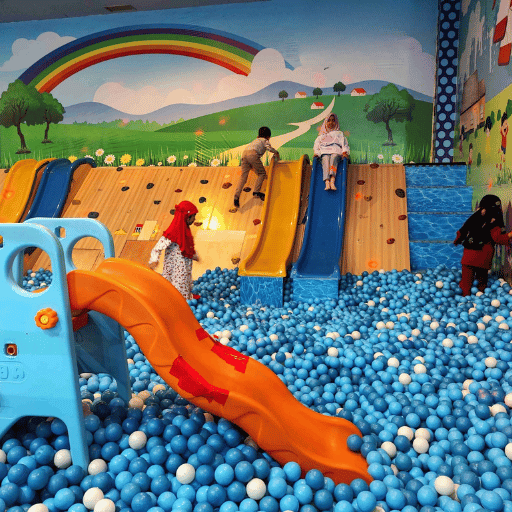
Product mix changes the quote more than many first-time buyers expect. Toddler-focused indoor playgrounds use different materials and inspection questions than an indoor jungle gym for school-age children or a trampoline park add-on. Match the equipment to the revenue plan before asking for discounts.
| Type | Best age/revenue use | Budget pressure |
|---|---|---|
| Soft play equipment | Toddler zones, daycare, cafes | Padding, mats, cleaning access, low-height layout |
| Indoor jungle gym | Ages 3-12, repeat play, birthday parties | Multi-level steel frames, slides, netting, climb path |
| Ball pit | Photo-friendly zones, younger children | Ball count, pit depth, sanitation plan |
| Tube slide | High-repeat loops | Height, exit zone, materials, support frame |
| Climbing wall | Skill challenge, active play | Fall zone, wall height, supervision line |
| Obstacle course | Older children and timed events | Throughput, soft barriers, reset labor |
| Trampoline lane | Trampoline park add-on | Specialist review, padding, staff rules |
| Role-play house | Kids indoor pretend play | Custom carpentry, props, fixture durability |
| Themed entry set | Mall and flagship first impression | Fiberglass, lighting, signage, brand work |
If the lowest-cost goal is a clean starter area, start with soft play sets and a short play loop. If the goal is a larger indoor play area with repeat visits, compare an indoor jungle gym, slide zones, climbing structure, and party circulation as one system.
Commercial vs Home Indoor Play Equipment: Why Certification Changes The Budget
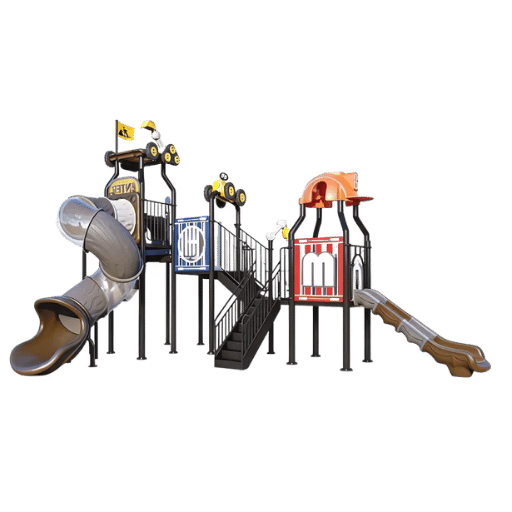
Home indoor play equipment and commercial-grade playground equipment should not share the same budget model. The CPSC 2025 public playground handbook says public playground use can include commercial childcare facilities, institutions, multi-family dwellings, parks, restaurants with outdoor play areas, resorts, and schools, while also stating that soft contained play equipment is outside that handbook’s scope.
That scope split matters. ASTM F1487 covers playground equipment for public use and excludes soft contained play equipment. ASTM F1918-21 is the safety performance specification for soft contained play equipment for users from the 5th percentile 2-year-old to the 95th percentile 12-year-old. Buyers should ask which standard fits each zone, not just whether the supplier can say “ASTM.”
| Question | Home play set | Commercial indoor project |
|---|---|---|
| Users | Family use | Public or paid-entry use across many children |
| Wear | Low daily cycles | High-traffic use, shoes, parties, cleaning cycles |
| Records | Basic purchase receipt | Standard fit, test records, install notes, maintenance plan |
| Inspection | Owner judgment | Venue, insurer, landlord, or local authority review |
| Budget effect | Lower initial price | Higher initial capital, lower approval risk |
The IPEMA equipment certification packet says its program validates participant products for conformance to certain ASTM standards, including ASTM F1487-25 for public playground equipment and ASTM F1292-22 for impact attenuation of surfacing materials. For buyers, this means certification is not decoration. It affects the quote file, the inspection path, and often the insurer’s questions. Didi’s ASTM and EN 1176 compliance checker can help sort the starting point.
Hidden Costs After Equipment: Freight, Installation, Duties, Insurance, Staff, And Maintenance
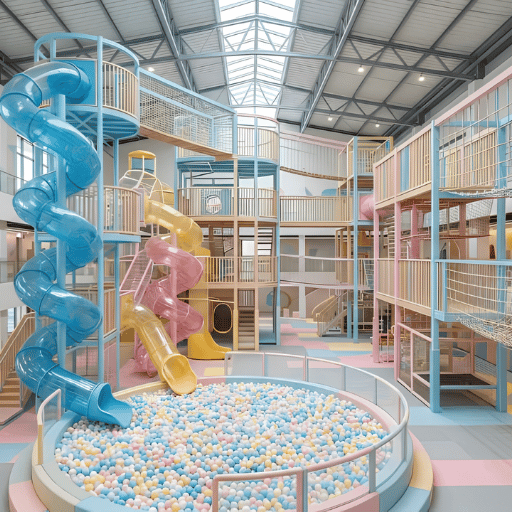
A quote for indoor playground equipment does not equal the cost to open the business. The U.S. Small Business Administration startup-cost guide lists categories such as office space, equipment and supplies, communications, utilities, licenses and permits, insurance, legal and accounting, inventory, employee salaries, advertising and marketing, market research, printed materials, and a website.
For an indoor play business, that turns into a reserve plan. Rent deposits, fire safety equipment, electrical work, HVAC checks, import duties, customs clearance, install crew travel, opening ads, POS hardware, janitorial gear, and spare padding all sit outside the main play system.
| Hidden cost | Why it appears | Budget action |
|---|---|---|
| Freight and container handling | Large play structures ship in bulky packed parts. | Request pack list, volume, weight, and trade term. |
| Duties and local tax | Import class and destination change landed cost. | Ask a customs broker before deposit. |
| Install labor | Multi-level systems need fit-up, anchoring, and safety checks. | Budget supervisors, lifts, tools, and local crew hours. |
| Accessibility work | Routes, entry points, widths, ramps, and transfer systems may be part of the review. | Bring ADA or local access review into layout before production. |
| Insurance review | The insurer may ask for standards, inspection, and maintenance files. | Collect certificates, drawings, and maintenance logs early. |
| Staff and training | Traffic, parties, cleaning, and incident response need people. | Map staffing by peak hour, not just opening day. |
Accessibility can also shift the layout cost. The ADA play-area standards call for accessible routes in play areas, 80 inches of vertical clearance where accessible routes serve ground-level play components, and soft-contained play-structure entry access based on the number of entry points. In small plans, one missed route can force late redesign.
Engineering Note: Budget Reserve Percentages For Quote Review
Use these percentages as internal review placeholders, not as supplier averages. They help a project team check whether the quote packet leaves enough room for freight, install work, access review, and opening costs. If one line is unknown, test 5%, 10%, 15%, and 20% cases before deposit.
| Reserve line | Placeholder range | Use it for |
|---|---|---|
| Main play system | 55%-70% | Frames, decks, slides, padding, nets, and theme parts. |
| Freight and port handling | 8%-18% | Container volume, inland delivery, and unloading plan. |
| Professional installation | 6%-12% | Crew hours, lifts, tools, and supplier supervision. |
| Duties and tax review | 0%-15% | Destination rules, broker checks, and import class. |
| Accessibility adjustments | 2%-8% | Route widths, entry points, ramps, and transfer systems. |
| Insurance and legal checks | 2%-6% | Lease review, insurer file, and safety records. |
| Staff training and launch labor | 5%-12% | Opening week staffing, cleaning cycles, and incident drills. |
| Spare parts and first-year wear | 2%-5% | Padding, balls, net ties, fasteners, and soft replacements. |
| Contingency | 10%-15% | Late site changes, permit delay, freight movement, and rework. |
ROI Planning: When Indoor Playground Equipment Can Pay Back
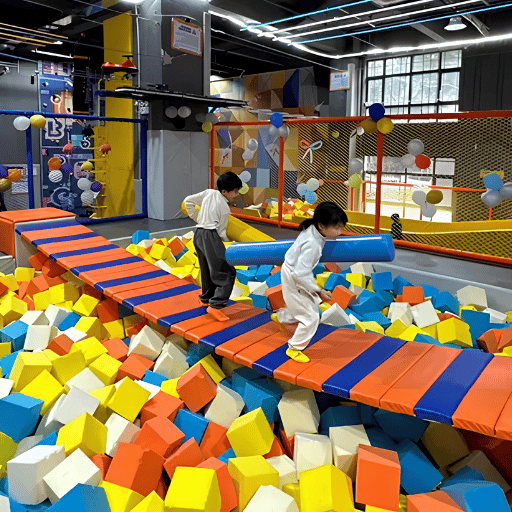
Owning an indoor playground can be profitable, but no article can give a reliable payback period without local rent, ticket price, party demand, labor cost, financing, and utilities. Start with this safer question: what monthly gross profit would the equipment need to support, and can the venue reach that level without overloading staff or maintenance?
| Revenue lever | Model input | Reality check |
|---|---|---|
| Open play tickets | Daily visitors x average ticket | Use weekday and weekend traffic separately. |
| Birthday parties | Party slots x package margin | Party rooms change space and staffing needs. |
| Food and beverage | Attachment rate x margin | Check food permits, storage, cleanup, and queue path. |
| Memberships | Members x monthly fee | Watch peak crowding and renewal fatigue. |
| Add-on zones | Arcade, trampoline, role play, classes | Each zone adds rules, staff, and upkeep. |
Run the model before you sign the equipment order. If you know rent, project size, target ticket price, party count, and staffing plan, Didi’s ROI and payback calculator is a better next step than a generic payback claim.
Budget Sanity Check Before Grand Opening
Before grand opening, treat the play system as one part of initial capital. The cost to start an indoor playground also depends on available space, lease deposits, staff plan, pricing strategy, and how quickly the play center can break even. A commercial playground buyer should test a low, mid, and high attendance case before adding an indoor playhouse, extra climbing wall, or second party room.
Quote-Ready Checklist: What To Send Before Asking For Indoor Playground Equipment Pricing
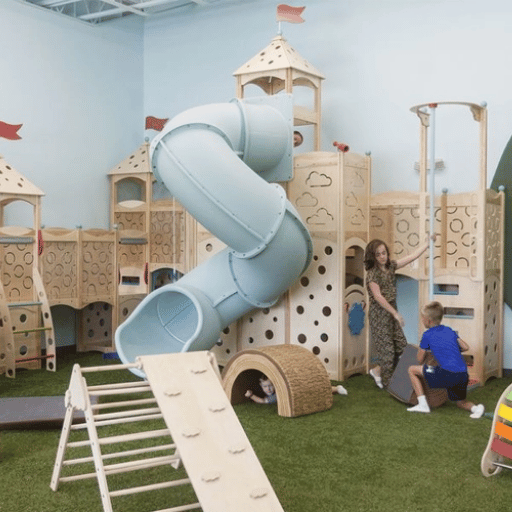
Suppliers can give a fast rough number from square footage. Real quotes need a packet. Better input shortens the budget cycle and cuts the risk of change orders after the 3D design is approved.
- Floor plan with usable play area marked in sq ft or sq m.
- Clear ceiling height, beam positions, columns, sprinklers, HVAC, and exits.
- Target age band, such as toddler, 3-6, 6-12, or mixed-age.
- Venue type: play cafe, kindergarten, shopping mall, restaurant, hotel, or family entertainment center.
- Preferred product mix: indoor jungle gym, soft play, ball pit, slides, climbing wall, trampoline, or obstacle course.
- Theme notes, brand colors, mascot files, and any must-have photo spots.
- Country, port, delivery address, and preferred trade term such as FOB or CIF.
- Safety target: ASTM, EN 1176, local rule, insurer request, or landlord requirement.
- Expected opening date and latest installation window.
- Photos and videos of the empty site, doors, freight elevator, and access route.
- Budget ceiling and any part of the scope that can move to phase 2.
- Decision maker, lease status, and permit status.
If those 12 items are ready, the quote can move beyond equipment for sale and into a commercial indoor play plan. Send the packet through Didi’s indoor play structures page when you are ready to price a project.
2026 Buyer Outlook: What Is Changing In Commercial Playground Equipment Budgets
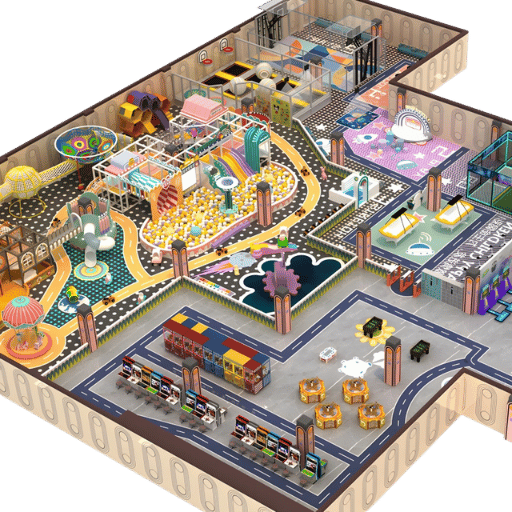
The 2026 buyer should expect fewer shortcut quotes. Venues are asking for mixed-age layouts, high-traffic durability, inspection records, photo-ready theming, and better staff sight lines. Landlords and insurers may also ask for records that older small indoor playgrounds did not keep in a clean folder.
| Watch item | Budget effect | Buyer move |
|---|---|---|
| More mixed-age demand | Separate toddler and older-child loops | Plan zones before picking equipment. |
| More standards questions | More records, test files, and inspection time | Ask for the standard-fit table in the first quote. |
| More themed spending | More custom art, fiberglass, lighting, and signs | Keep one anchor theme, then limit custom props. |
| More maintenance scrutiny | Spare parts and cleaning access move into the buying decision | Request a first-year wear-parts list. |
For 2026, indoor playground budgets should leave room for approval work, not just slides and foam. Buyers who bring a clear floor plan, age range, budget cap, and standards target will usually get a cleaner answer than buyers who ask only, “How much per square foot?”
FAQ
How much does indoor playground equipment cost?
For Didi’s commercial planning bands, compact indoor playground equipment projects sit around $50,000-$150,000, standard family entertainment center projects around $150,000-$400,000, and flagship projects around $400,000-$1,000,000+. Those are budget tiers, not a final price. Suppliers still need the floor plan, ceiling height, product mix, destination, and standard target before they can price the build, packing, freight, and support scope.
What is the average cost per square meter for an indoor playground?
One average can mislead. Soft toddler corners, multi-level indoor jungle gyms, and themed FEC projects spread cost across space in different ways.
Why are indoor playgrounds so expensive?
Commercial indoor playgrounds are built for paid public use, heavy traffic, cleaning cycles, impact zones, supervision, and inspection. The quote may include steel frames, soft padding, slides, ball pit parts, custom theme work, surfacing, safety records, packing, freight, and install support. Home play equipment does not carry the same public-use burden, and many inspectors will not treat home products as a shortcut for a paid venue.
What ongoing costs should I budget for after opening?
Plan for staff, cleaning, utilities, insurance, replacement padding, ball replacement, net checks, platform inspections, marketing, software, party supplies, and spare parts. Keep a maintenance log from day 1. It helps the operator, the insurer, and the next buyer if the venue is sold.
Is it cheaper to buy or build a playground?
Buying a commercial play system is usually the safer route for a public venue because the supplier can provide drawings, materials, standard-fit records, and install guidance. Building from scratch may look cheaper on parts, but it can raise approval, insurance, and liability questions. It also pushes more design responsibility onto the owner, which can be hard to defend after an incident. If you do build locally, ask an inspector and insurer to review the plan before fabrication, not after opening day.
What data should I send to get an accurate quote?
Send the floor plan, clear ceiling height, target age range, city and country, opening date, product preferences, theme notes, budget tier, safety standard target, and photos of the space. Video of the empty venue helps the design team spot columns, doors, sprinklers, and freight access.
Next Step
If you have a floor plan and a target opening date, start with a tier check. Then send the RFQ packet for a quote that separates equipment, design, shipping, installation, and standard-fit records.
References
- CPSC Public Playground Safety Handbook, July 2025
- CPSC injuries and investigated deaths report, 2009-2014
- DOJ 2010 ADA Standards for Accessible Design
- U.S. SBA startup-cost guidance
- IPEMA 2026-2027 equipment certification program packet
- SGS summary of ASTM F1487-25 public playground equipment revision
- ASTM F1918-21 soft contained play equipment listing
Related Didi Resources
- Indoor playground equipment
- Commercial indoor play structures
- Indoor playground cost-tier calculator
- Indoor playground ROI calculator
- ASTM and EN 1176 compliance checker
- Indoor jungle gym
- Soft play equipment
- Soft play sets
- Indoor playground theme design
- Indoor playgrounds for family entertainment centers
- Indoor playgrounds for kindergartens
- Indoor playgrounds for shopping malls
SYS.00 // E-E-A-T Disclosure
Why I Write This
As the CEO and Co-Founder of a specialized manufacturing facility, my objective is to provide unvarnished, factory-direct technical insights into commercial indoor playground engineering, safety compliance, and project planning. I aim to bridge the information gap for global buyers seeking reliable structural and material data, ensuring you make informed, ROI-driven decisions without the marketing fluff.
About My Business
Guangzhou Didi Land Amusement Equipment Co., Ltd. (Brand: Didi Land) is a commercial indoor playground equipment manufacturer founded in 2014. Operating from Panyu, Guangzhou, China, we engineer, produce, and export commercial-grade play structures to over 40 countries worldwide. Our production lines strictly adhere to international safety frameworks, ensuring durability and safety for high-traffic environments.
Our Services
We provide end-to-end B2B commercial solutions: from custom 3D spatial design and OEM manufacturing to worldwide export logistics and compliance testing. Our focus is on empowering Family Entertainment Centers (FECs), shopping malls, kindergartens, and hospitality venues with reliable, high-capacity play infrastructure.
DATA_MATRIX // MANUFACTURER_PROFILE
Name:
Cherry
Role:
CEO & Co-Founder
Brand Name:
Didi Land
Company:
Guangzhou Didi Land Amusement Equipment Co., Ltd.
Location:
Guangzhou, Panyu, China
Founded:
2014
Products:
Indoor Playground Equipment, Soft Play Equipment, Themed Playground Design, FEC Play Zones, Trampoline Modules, Ninja / Obstacle Course Modules
Email:
conglizhang1@gmail.com
Phone:
+86 199 2587 9517
Website:
didiplayarea.com
COMPLIANCE & STANDARDS:
ASTM F1487 · ASTM F1918 · EN 1176 · CPSIA · CE · ISO 9001 · IPEMA
Contact Factory Direct
ASTM F1487 · ASTM F1918 · EN 1176 · CPSIA · CE · ISO 9001 · IPEMA
![Custom Dinosaur Playground Equipment [Design Guide]](https://didiplayarea.com/wp-content/uploads/2026/09/custom-dinosaur-playground-equipment-r2-featured-1-768x512.png)
![Sensory Play for Infants: Safe Materials [Guide]](https://didiplayarea.com/wp-content/uploads/2026/10/sensory-play-for-infants-featured-150x150.png)