Get in Touch with Didi Land

Commercial Indoor Playground Equipment for Shopping Malls
Modular, ASTM- and EN1176-certified mall play structures designed to recapture lost traffic, protract dwell time, and turn lagging retail floors into family destinations. Made in our 12,000 m Guangzhou factory, delivered to mall operators worldwide since 2014.
11 imaginative product lines
30–90 day standard lead time
ISO 9001 / ASTM F1487 / EN 1176 / CE / CPSIA
Free 3D mall layout design

Footprint range
80–1,500 m² (modular)
Ceiling height min.
2.8 m(soft play) – 4.5 m (multi-level)
Age groups
Toddler(6 mo–2 yr), 2–5, 5–12
Product lines
11(soft play to ninja & trampoline)
Foot-traffic uplift
25% visits / 22% dwell time
Investment range
USD 180–450 / m²
Why Shopping Malls Need an Indoor Playground — Four Pain Points We Solve
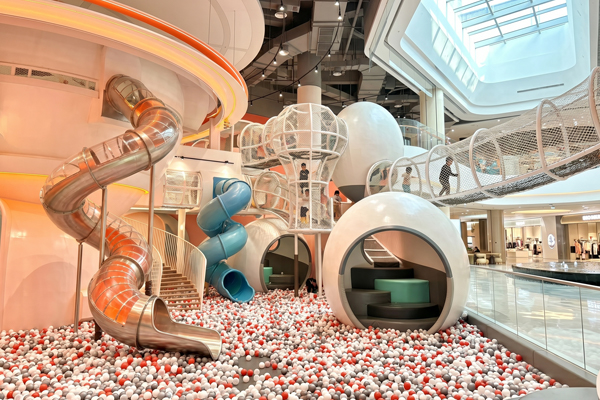
Commercial indoor playground equipment is the retailainment asset the quickest to stand and install in a shopping center – and the one most malls turn to once one or more of the forces listed below becomes unignorable. Modern mall play installations (also called commercial indoor play structures, or soft play environments) are designed for high-traffic retail venues, ASTM F1487 or EN 1176certified, and dimensioned to occupy 80-1,500 m dead space left by empty anchor stores.
01
Online shopping foot-traffic erosion
Shopping centers worldwide have faced a 1-21% drop in taffic since 2022 as online commerce continues to cannibalize transactional visits. The taffic they still receive is increasingly experiential: consumers seek what the online channel cannot provide – tangible, social, multisensory delight. A commercial indoor playground converts the empty retail bay into precisely this destination of choice. The “errand” shopping trips malls lost out on are the ones that enter and exit quickly. The growing “experience” shopping trips they need to replace them remain predominantly online. Evidence: PREIT’s 17 malls, plus three power centers, added 25% more weekly visits and spent 22% longer there when they featured retailtainment concepts – the clearest publicly-available mall operator data set on the subject.
02
Short dwell time → low ancillary spending
Typical shopping trips last less than an hour. Indoor activity parks often anchoring them host for 2-4 times longer. Half an hour more per household yields an incalculable percentage increase in food court transactions, spontaneous purchases in local stores, and the cross shopping that anchor tenants depend upon. The indirect pain mall operators report having is not “no traffic” – it is “rolling a fuller fraction through the doors for longer.” Commercial indoor playground installations designed for shopping malls seek to make that happen.
03
Anchor and food-court tenant satisfaction
Anchor tenants and F&B tenants are increasingly assessing mall LOIs according to families attracted. PREIT’s leasing decisionmakers have elucidated that retailtainment installations increase the trade area, and attract other tenants wanting to locate locally. Having a mall playground in the right location mitigates their failure to generate renewal rent increases on the bodies that matter to them.
04
Winter and weather-driven seasonal dips
Indoor malls beat open-air retail and outlet centers during months with weather outside limits precisely because of their climate control. Commercial indoor play installations capitalize on that climate control as an attraction – families specifically reference your property during days they can’t go outside. Year-round operation further offsets the revenue peaks and valleys operators calculate sales projections around.
Didi Land’s Mall Playground Product Lines — 11 Customizable Solutions
We design our 11 product lines and play equipment configurations for today’s structural and operational realities of shopping malls – not by copying outdoor or home play equipment. Every play system component is commercial-grade by design (galvanized steel skeleton with double powder coating, anti-microbial PVC outer skin over high-density EPE foam, food-grade plastics powder-coated accessories, PVC roof coverings flame retardant secured to steel structure etc.), and we can adapt every line to whatever theme your mall may want to project. Every configuration arrives with the calculations needed to pass mall fit-out approval.
Confirm material specifications, expected use, and maintenance needs for the proposed equipment in the written quotation and supporting documentation.
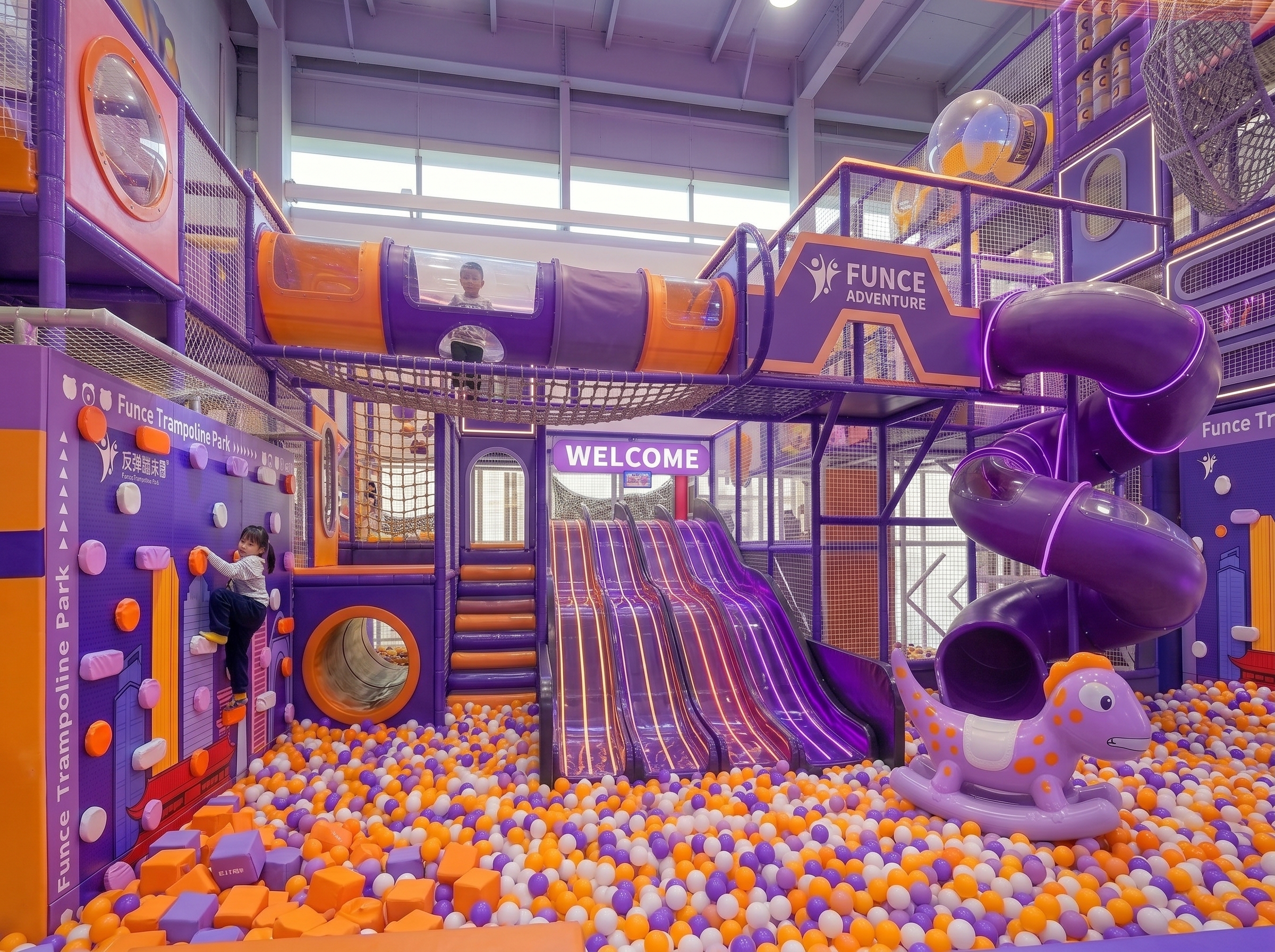
Soft Play Playground
Soft sculpture, ball pits, climbing tunnels for ages 6 mo–8 yr.
Required footprint
40 m²
Required ceiling
2.8 m
Best mall location
Anchor-adjacent
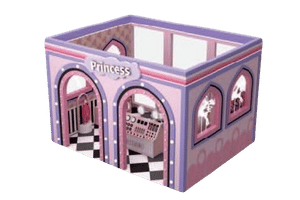
Themed (Macaron / Candy / Jungle / Ocean / Space)
Branded immersive environments matched to mall identity.
Required footprint
80 m²
Required ceiling
3.0 m
Best location
Standalone Pavilion
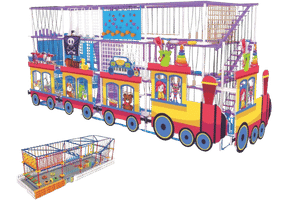
Adventure / Obstacle Course
Multi-level climbing structure for ages 5–12.
Required footprint
120 m²
Required ceiling
3.5 m
Best location
Anchor-adjacent / FEC
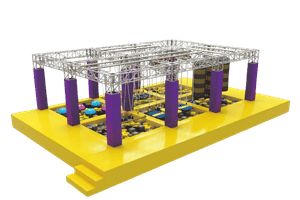
Ninja Warrior Course
Active-play course with hanging obstacles, ages 7+.
Required footprint
150 m²
Required ceiling
4.0 m
Best location
Standalone Pavilion
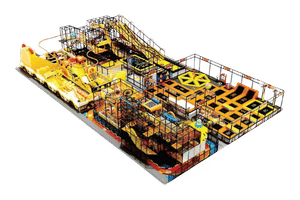
Trampoline Park
Connected trampoline beds + dodge / battle zones.
Required footprint
200 m²
Required ceiling
4.5 m
Best location
Standalone Pavilion
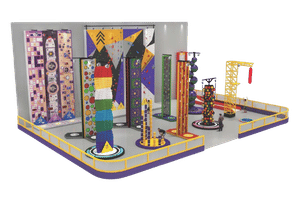
Climbing Wall (Indoor)
Bouldering + auto-belay routes, ages 5+.
Required footprint
30 m²
Required ceiling
4.0 m
Best location
Anchor-adjacent / FEC
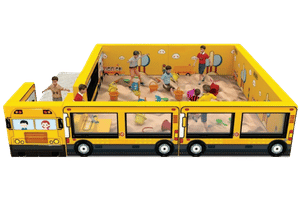
Sand Pit Play Area
Antibacterial kinetic sand zone with sculpting tools.
Required footprint
30 m²
Required ceiling
2.8 m
Best location
Food-Court adjacent
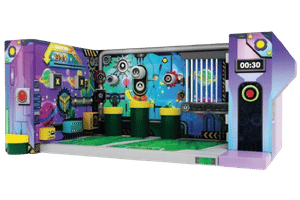
Electric Adventure (Powered Course)
Motorized obstacles, sensor-based interaction.
Required footprint
60 m²
Required ceiling
3.2 m
Best location
Standalone Pavilion

Tube Ball Blaster Zone
Pneumatic ball-launch interactive area, ages 4+.
Required footprint
40 m²
Required ceiling
3.0 m
Best location
Anchor-adjacent
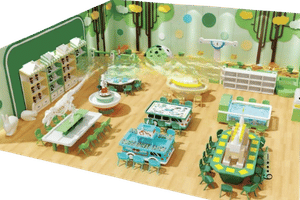
Sensory / STEAM Smart Play
Light, sound and tactile modules; daycare-friendly.
Required footprint
40 m²
Required ceiling
2.8 m
Best location
Anchor-adjacent

Macaron / Pastel Toddler Play
Photo-friendly soft toddler zone, ages 6 mo–4 yr.
Required footprint
40 m²
Required ceiling
2.8 m
Best location
Food-Court adjacent
Mall Decision Matrix — match the right line to the right space
One of the most costly errors made by mall operators purchasing an indoor play environment is purchasing more square meters than the product line chosen will fill up. We often find ourselves pairing each line to the three mall environments we most commonly install to enjoy a healthy margin, and recommend a preferred minimum/maximum area:
| Mall Location | Recommended Lines | Sqm Range | Primary Buyer Persona |
|---|---|---|---|
| Anchor-adjacent (former dept-store bay) | Soft Play + Adventure / Obstacle + Climbing Wall | 250–600 m² | Family with 2–12 yr children |
| Food-court adjacent | Macaron Toddler + Sand Pit + Sensory STEAM | 80–200 m² | Families dining; toddlers / pre-school |
| Standalone Pavilion (vacant pad / atrium) | Themed + Trampoline + Ninja + Electric Adventure | 500–1,500 m² | Multi-generational; birthday-party-led |
Every configuration that leaves the Decision Matrix has been finished with commercial-grade specifications: ant-microbial PVC exterior skin, cleans easily for the daily washing programmes running at malls, load-bearing steel skeleton built to EN 1176-1:2017 spec for finger-entrapment and structural integrity, impact-absorbing foam built to industrial-grade rating as opposed to residential.
Mall Playground Equipment vs. Traditional Tenant Mix — Performance Comparison
Two comparisons are significant to mall operators analyzing a commercial indoor play installation. First is the comparative tenant- a kid-focused toy or clothing retailer. The second is comparisons of the new supplier category- legacy domestic softplay versus new Asian commercial-grade lighting-fast play equipment, built for high-traffic malls.
Indoor Playground vs. Kid-Focused Retail Tenant (per 200 m² leased)
Performance Metric
Indoor Playground (Didi Land install)
Kid Retail Tenant (typical)
Average dwell time
2–4 hours (industry data)
15–35 minutes
Family return frequency
2–4× per month (membership-driven)
0.5–1.5× per month (purchase-driven)
Foot-traffic generation for adjacent tenants
High (cross-shopping documented)
Low to medium
Off-peak / weekday performance
School holiday peaks; party bookings sustain weekdays
Strongly seasonal; weekday trough
Operator revenue stream
Admission + parties + memberships + concessions
Per-transaction retail margin only
Didi Land vs. Domestic Legacy Soft-Play (and the “low-cost” supplier trap)
Specification Driver
Didi Land — Commercial Grade
“Low-Cost” Supplier Risk
Steel core
Galvanized, dual powder-coated tubing
Thin or untreated steel; bending under load
Outer PVC layer
Anti-microbial, fire-retardant, UV-stable
Recycled PVC; UV degradation by month 18
Foam impact core
High-density EPE, commercial daily-use rated
Compresses within months under daily traffic
Standards covered
ASTM F1487, EN 1176-1, CE, CPSIA, UL94, NFPA701, ISO 9001
Often only one standard; certificates not auditable
Expected service life
8–10 years at 50–1,000 children/day
2–4 years before major refurbishment
Pricing transparency
USD 180–450 / m² range disclosed up front
Opaque; quote requires multi-call discovery
Evaluate the proposed materials, construction, warranty terms, and maintenance support. Commercial-grade specifications should be documented for the project.
Mall Playground ROI — Foot Traffic, Dwell Time and Birthday Party Revenue
GOLD-TIER ROI
Mall Indoor Playground — Three Verifiable Revenue Drivers
+25%
Mall visits uplift
(PREIT, 17 malls)
+22%
Average dwell time uplift
2–4 hrs
Family visit duration
+30%
Sales / visit lift
(retailtainment)
According to statistics reported by PREIT, the best three attributing mall-operator general trends to retailtainment performance are 25%/22% gains (and the 17 malls and 3 supercenters involved, not a single anchor case study.) At one venue level, SuperPark’s 30% mall-traffic figure can also be corroborated. Use these as the basis: operator specific results will vary in relation to location, anchor mix and daily programming volume.
Where the revenue actually comes from
Operators of indoor commercial malls can often operate four parallel channels of revenue when constructing their financial models. Understanding the mix can change the sizing and product line selection.
Revenue Stream
Typical Contribution
Notes
General admission (drop-in play)
40–55% of revenue
Driven by mall foot traffic; weekend-heavy
Birthday parties
25–35% of revenue
Highest margin
Memberships / packages
10–20%
Smooths weekday revenue; loyalty driver
Concessions, merchandise, party add-ons
5–15%
Ancillary; depends on layout space
Pricing and buyer strategies.
How much can we sell a commercial indoor playground to a big-box retailer for? This the birthday-party number, the single most reliable indicator of non-linear value we have found. This is also the revenue stream most likely to be impacted by product specification – themed environments and dedicated party rooms typically convert at substantially higher margins than generic soft play. Every Standalone Pavilion we sell includes at least one party room from the moment we start design.
Investment range and payback signposts
Industry pricing for ASTM- and EN-spec commercial indoor playground equipment runs USD 180-450 per square meter, depending on theming complexity, multi-level structure and digital integration.
Food-court adjacent (80-200 m)
USD 14,400 – 90,000 equipment plus interior fit-out.
Anchor-adjacent (250-600 m)
USD 45,000 – 270,000 depending on line mix.
Standalone Pavilion (500-1,500 m)
USD 90,000 – 675,000 – multi-level themed installations sit at the upper end.
Operators we ship to frequently aim for 18-36 month pay-back at shopping malls with high foot-traffic, accelerated by birthday-party programs. Exact pay-back will depend – ask us for a customized quote that uses your mall’s real visit numbers and lease terms.
Request a Mall ROI Estimate
Featured Mall Projects — Real Installations Across 40+ Countries
Since 2014, Didi Land has shipped ASTM- and EN-spec commercial indoor playground equipment to operators in more than 40 countries, including France, India, Sri Lanka, South Africa, Mexico, Malaysia, and Poland. Mall installations are by far our largest undertakings – the four pictured below are representative of the configurations our Decision Matrix recommends most often.
Mall Playground — Mid-Size Center
France
Footprint
320 m²
Lines Installed
Soft Play + Adventure Course + Themed Macaron
Configuration
Anchor-adjacent
Mall + FEC Hybrid
India
Footprint
850 m²
Lines Installed
Trampoline + Ninja + Soft Play + Climbing Wall
Configuration
Standalone Pavilion
Mall Toddler Zone
Mexico
Footprint
140 m²
Lines Installed
Macaron Toddler + Sand Pit + Sensory STEAM
Configuration
Food-court adjacent
Shopping Center Themed Park
Poland
Footprint
520 m²
Lines Installed
Themed Jungle + Adventure + Tube Ball Blaster
Configuration
Standalone Pavilion
We address an audience that runs beyond shopping malls towards combination stores, entertainment complexes, indoor children’s play centers, family entertainment centers, kindergartens, early childhood education centers, family friendly restaurant brands, hotels, and community recreation spaces. Every installation benefits from the same commercial-grade spec – the duty cycle a mall environment demands is the duty cycle every Didi Land structure is built to.
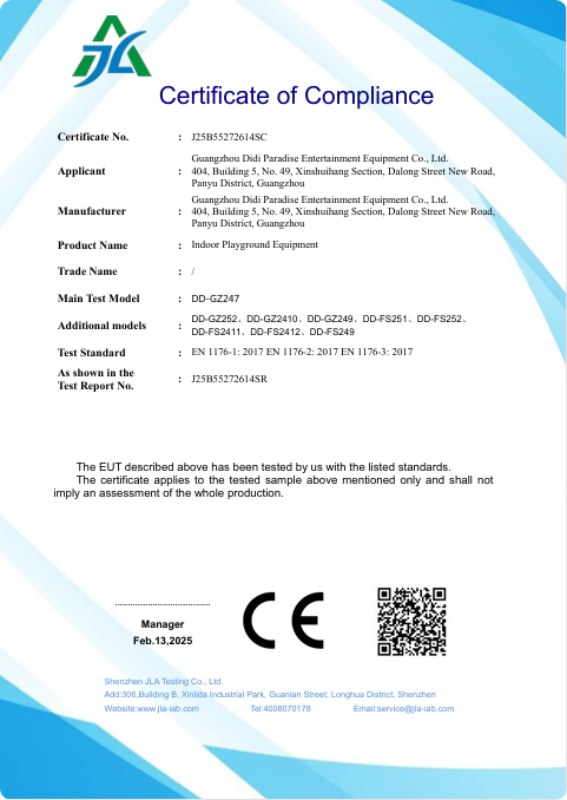
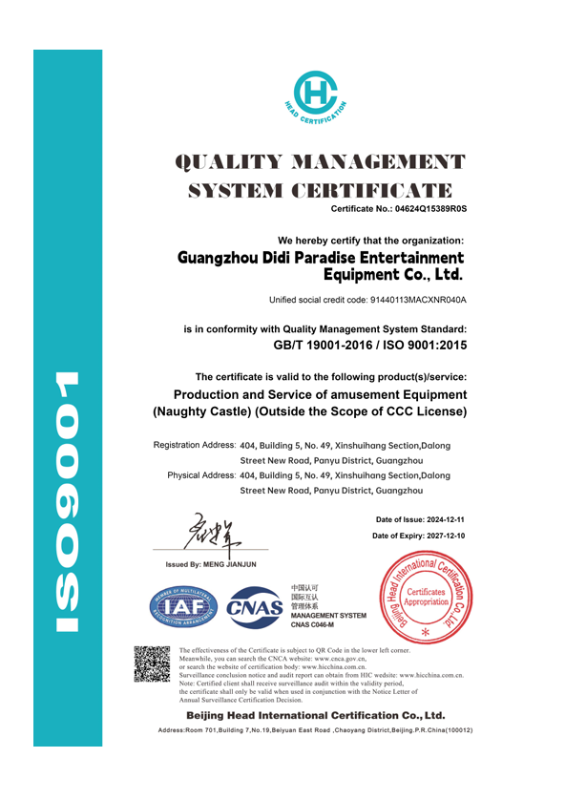
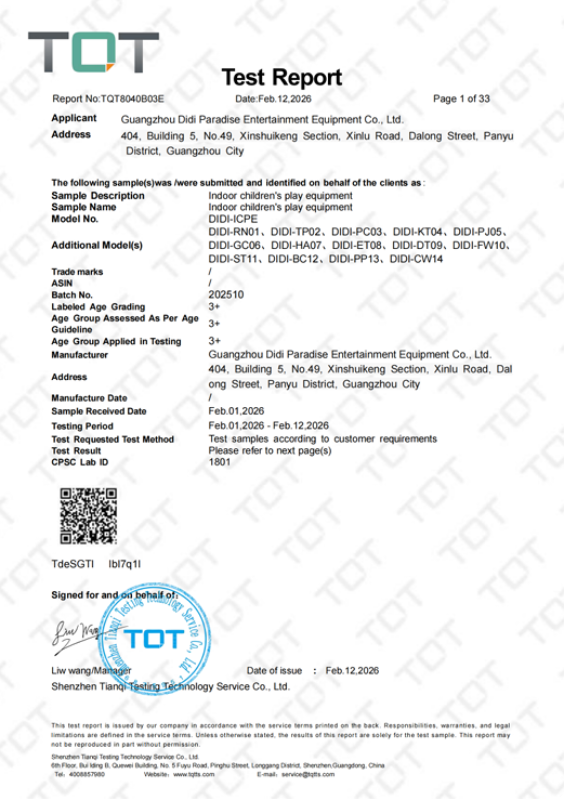
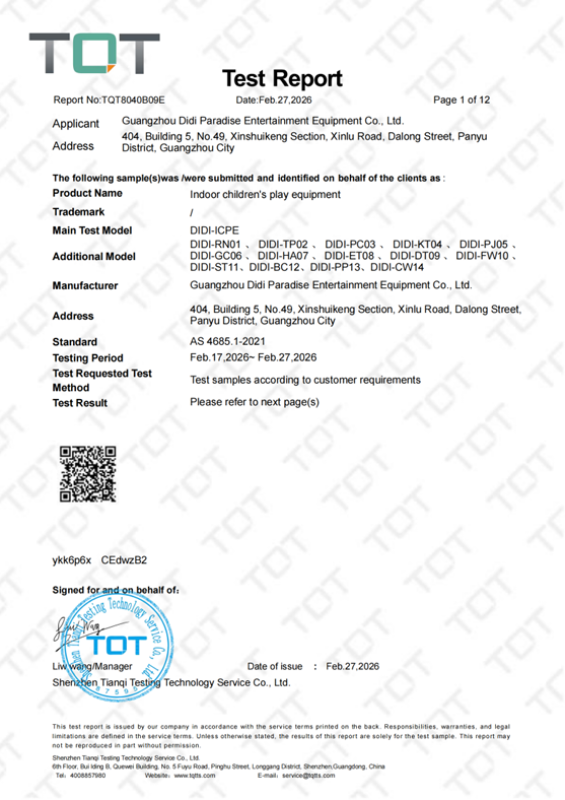
Certifications & Compliance — ISO 9001 · EN 1176 · ASTM F1487 · CE · CPSIA
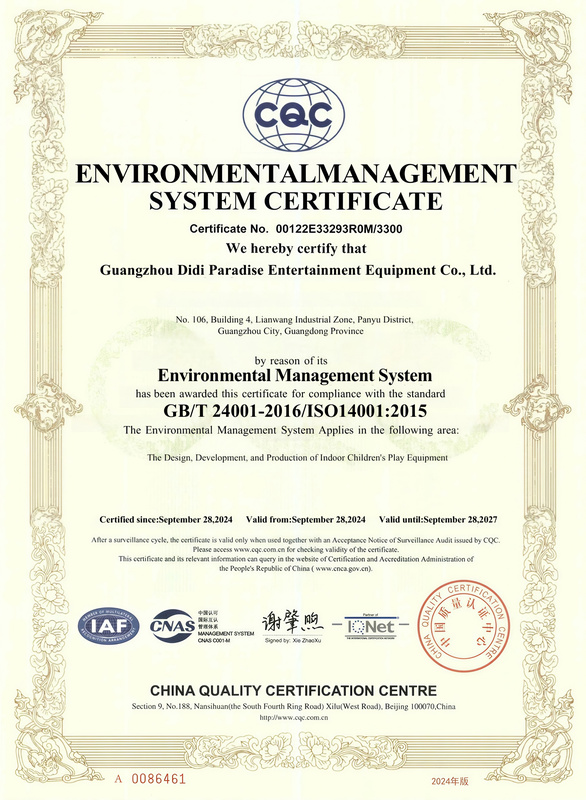
Mall fit-out review and tenant safety audits for commercial playground equipment rely on valid certificates – not vendors’ claims. Every ASTM- and EN-spec commercial indoor playground equipment package we ship is covered by the certificates below, with original test reports available on request.
ISO 9001:2015
Quality management system — Didi Land manufacturing
EN 1176-1:2017
European playground equipment safety standard
ASTM F1487
U.S. public-use playground performance standard
CE Directive 2009/48/EC
EU Toy Safety Directive compliance
CPSIA (USA)
Lead and phthalate limits for children’s products
UL94 / NFPA701
Flammability rating — soft play foam & netting
ASTM F381
Trampoline park equipment safety
AS 4685.1
Australian playground safety standard
ASTM- and EN-spec set the standards for structure and use-zone so that mall surveyors look for first – finger entrapment, head-trap dimensions, fall heights, and impact-absorbing surfacing. CPSIA determines the lead and phthalate limits that pediatric audits seek, UL94 and NFPA701 set the fire ratings for foam and netting that mall fire marshals check. Maintaining all of the above across multiple regions is what differentiates a supplier who ships to one country from one that exports to 40+.
Mall Procurement Guide — Pricing, Lead Time, MOQ & After-Sales
The most deliberately opaque pricing in this industry is a farce – vendors hide ranges to force a discovery call. We openly disclose the factors that truly increase price, so your project finance team can model our installation before you make the first call.
Pricing Factors Framework
Footprint & Layout
~70% of total cost; larger footprints lower per-m² but raise total.
Aesthetic Complexity
Standard soft play USD 180–240/m²; mid-range themed USD 240–330/m²; premium concept USD 330–450/m².
Multi-level vs. Single
Multi-level adds steel, surfacing and structural calculation work.
Digital Integration
Sensor walls, AR projection, sound zones add modular cost.
On-site Installation
Remote installation guidance included; full overseas installer team is an add-on.
Logistics & Customs
Typically 5–10% of project value depending on destination and Incoterms.
Lead Time, MOQ & Payment
Standard Lead Time
30-45 days after confirmed order.
Custom Lead Time
60-90 days; rush options available for grand-opening date.
Minimum Project (MOQ)
80 m² – just right for food-court-adjacent installations and small enough to keep operators away from the over-renting mistake industry forums highlight.
Payment Terms
30% deposit upon order confirmation, 70% prior to shipment; LC and TT both accepted.
Installation & After-Sales
The basic operational disciplines that industry operators identify as the three deciding operational factors whether an indoor playground makes a profit or becomes a liability—cleanability, speed of after-sales response, and item durability—our standard delivery delivers to address both:
Free 3-D mall layout design is verified against your fit-out drawings prior to order.
Worldwide installation by an English-speaking overseas installer team, plus DVD for in-house assembly.
24/7 online support, a parts replacement program, and a daily / weekly cleaning protocol that fits mall housekeeping cycles.
Life spans at these commercial daily-use intensities (50-1,000 kids/day) 8-10 years.
Need a fixed price quote for your mall location?
Get Mall Playground Quote
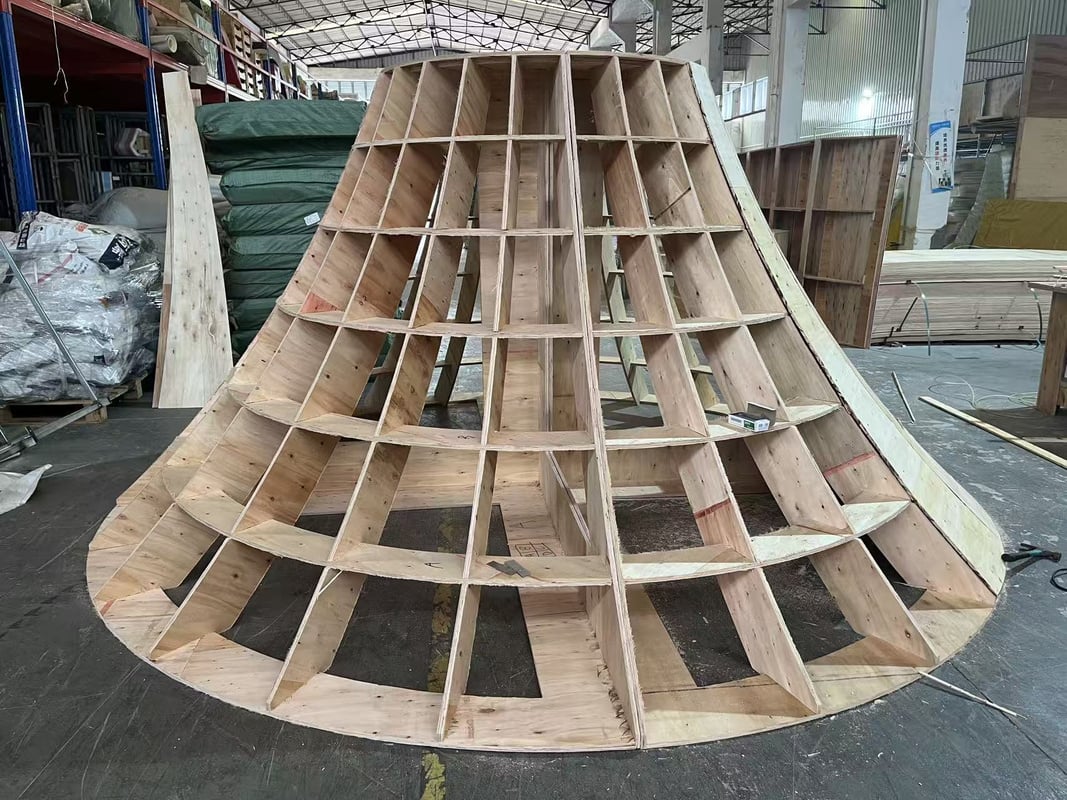
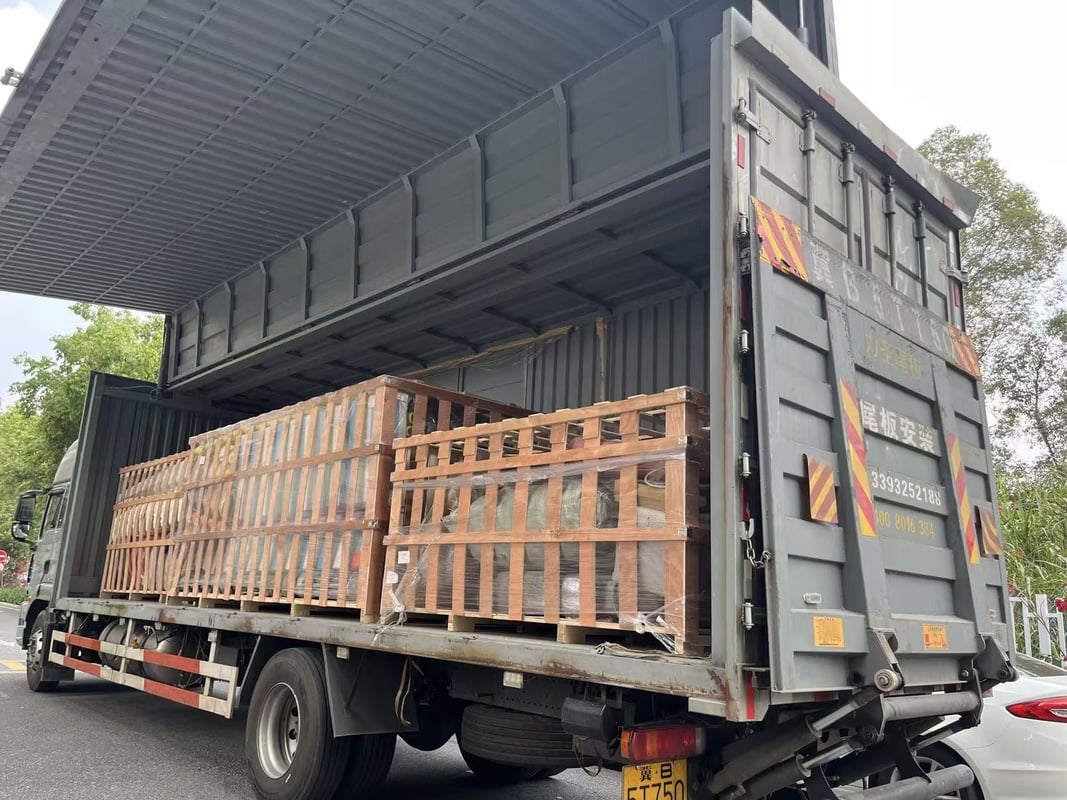
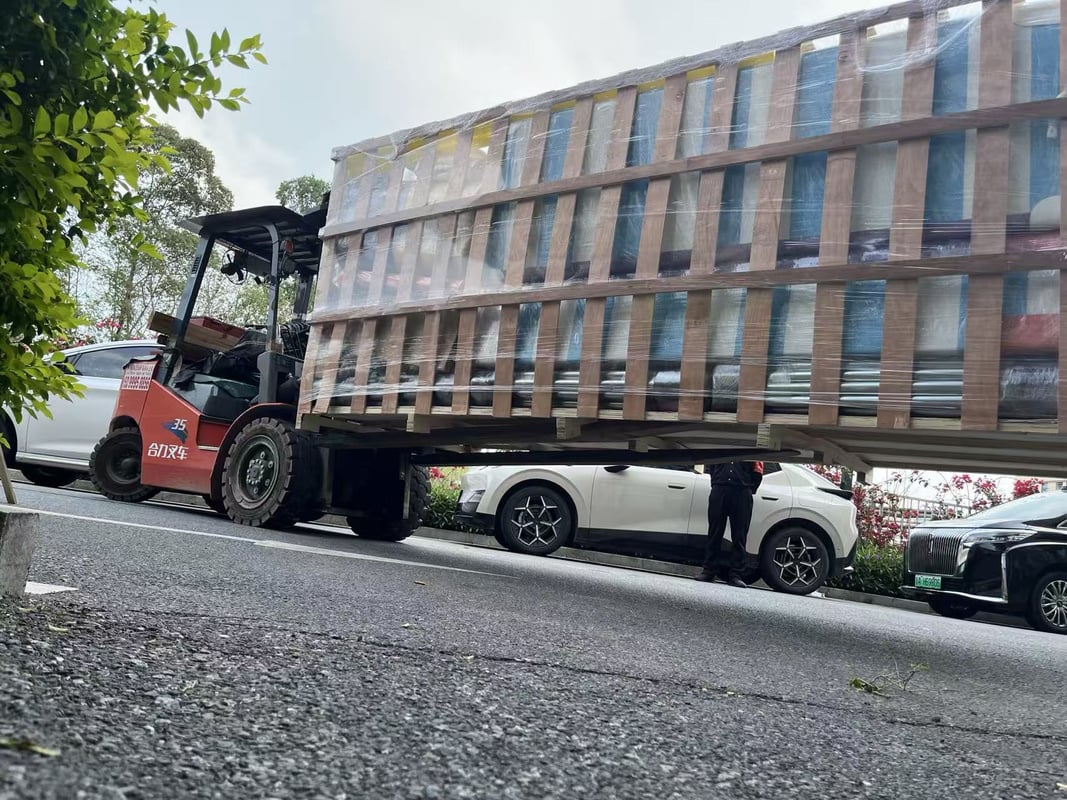
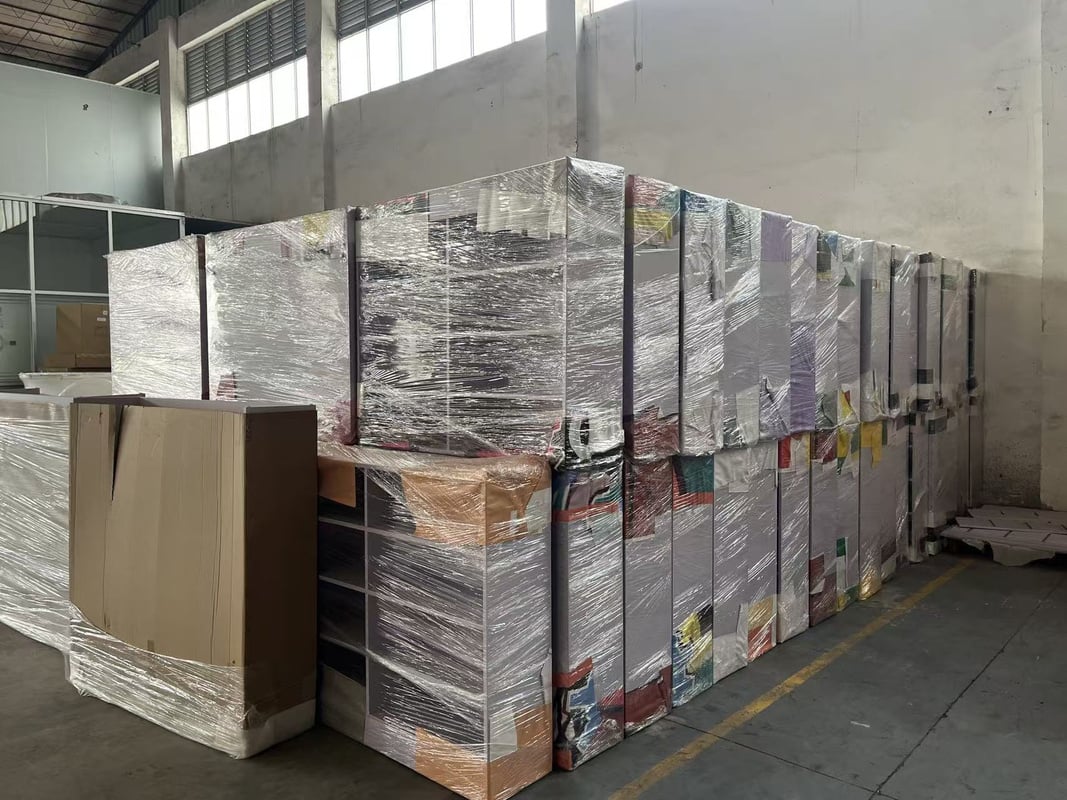
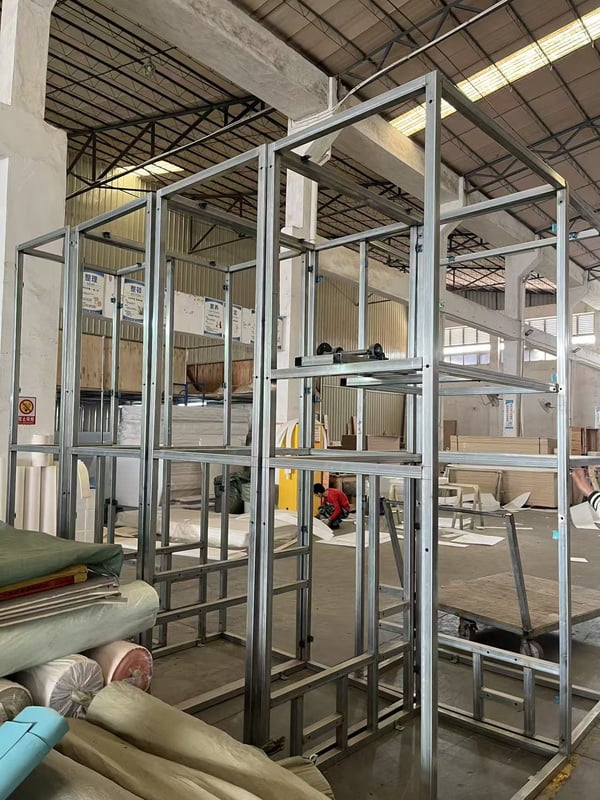
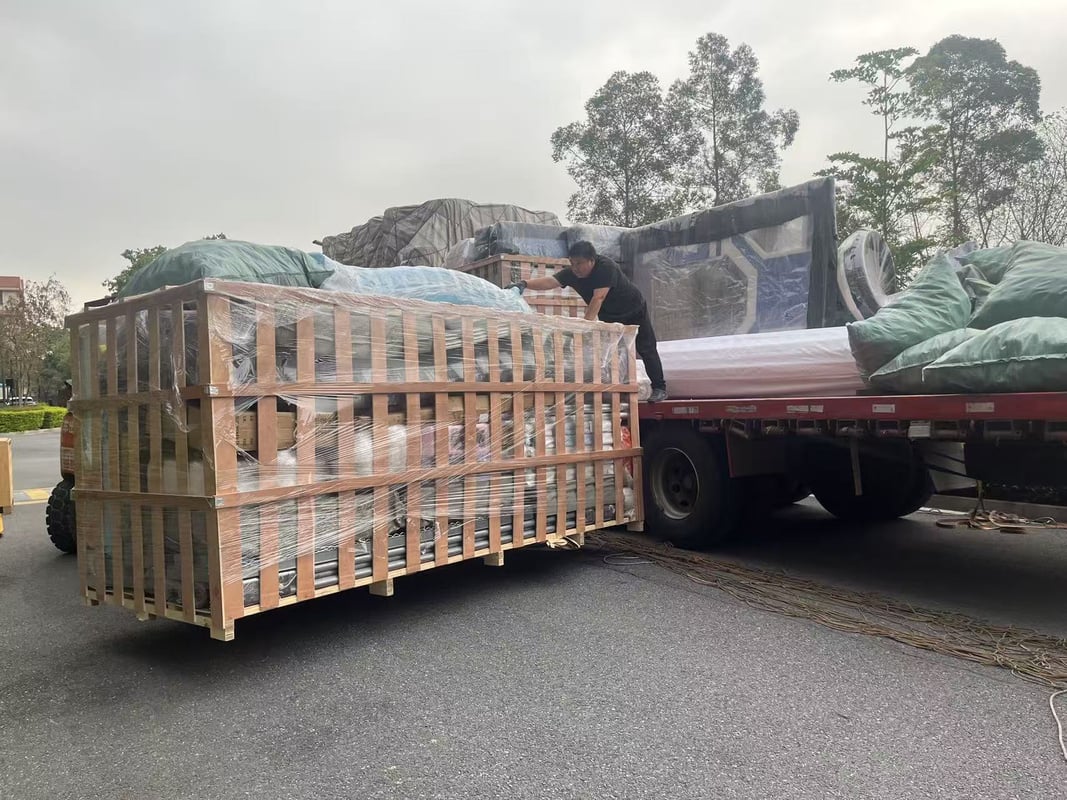
Didi Land Manufacturing Facility — 12,000 Sqm Advanced Production Base
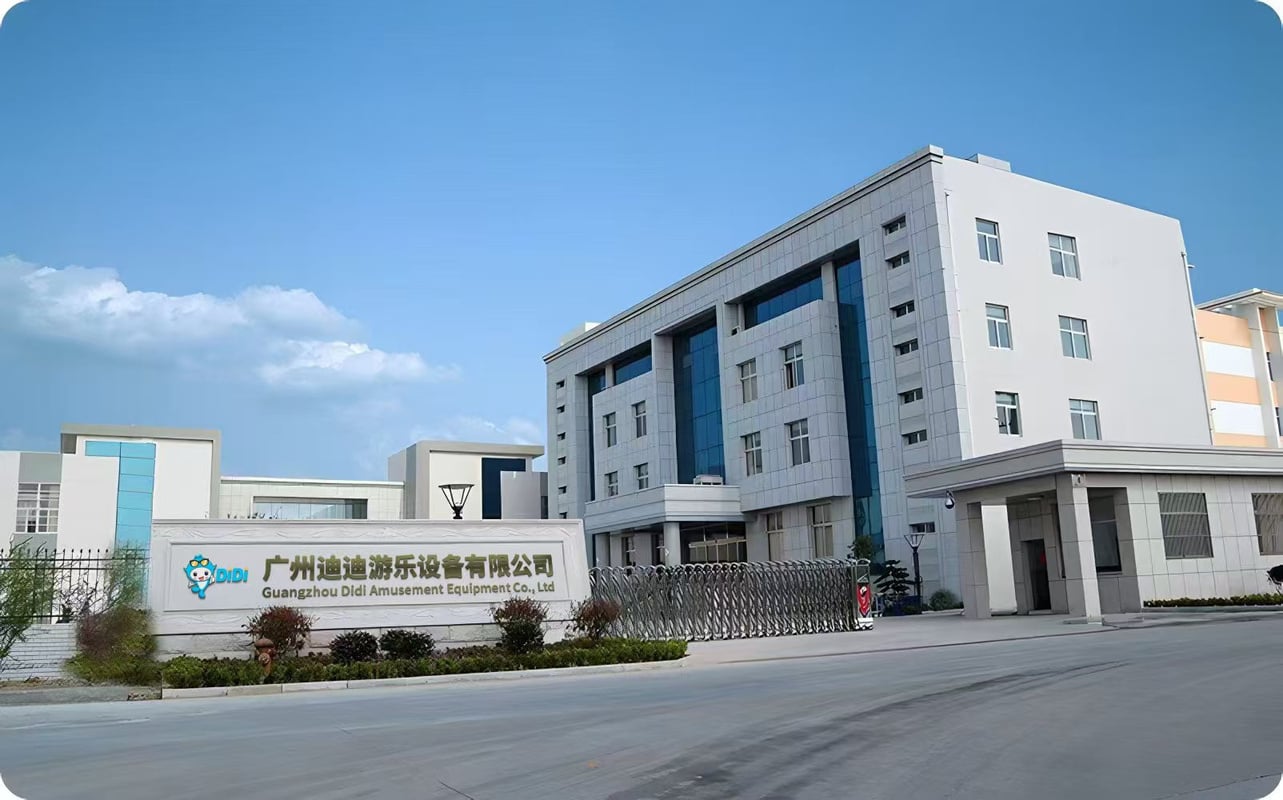
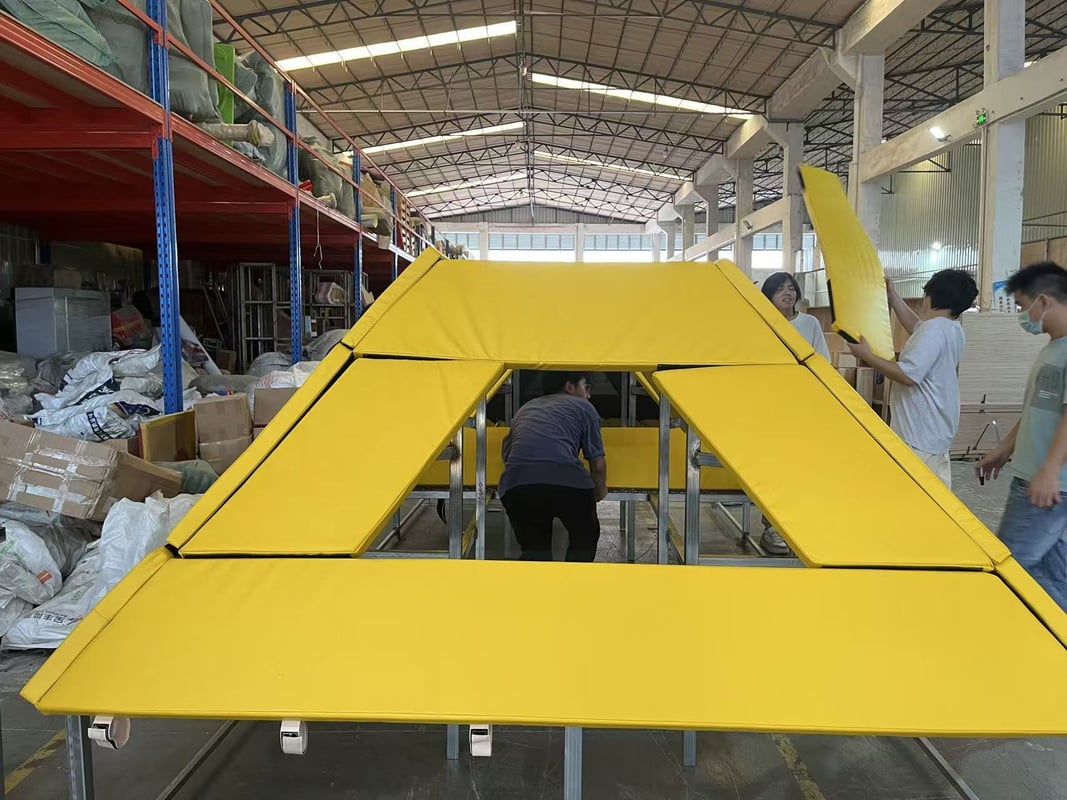
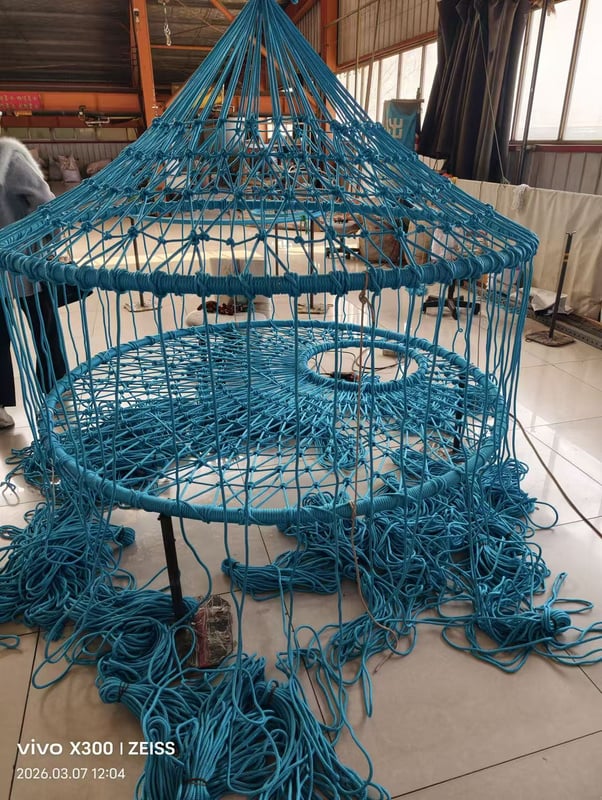
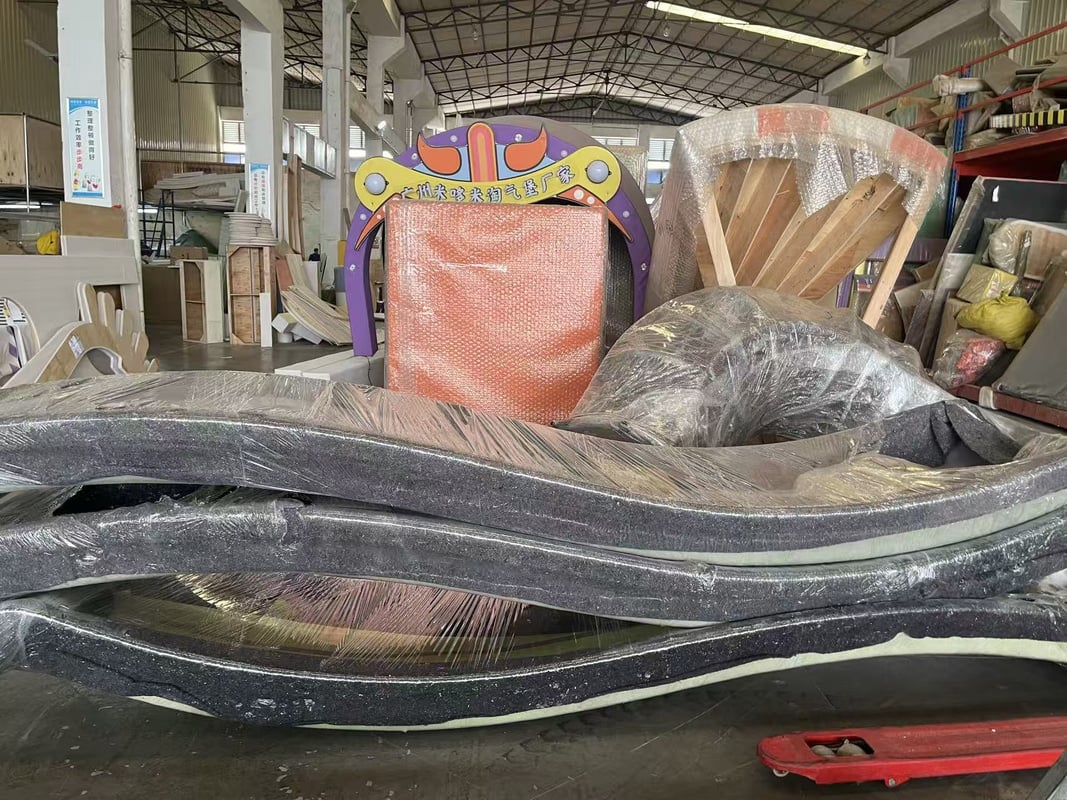
×
![]()
Mall Playground ROI Calculator
Estimate foot-traffic uplift, dwell-time gains, and 3-year payback for installing commercial indoor playground equipment in your shopping mall. Industry data sourced from PREIT/ICSC and SuperPark.
Your Mall Inputs
Current monthly visits across all entrances
Per-visit ancillary tenant spend
Minimum 80 m² recommended
Sets per-m² investment
Share of foot traffic that’s family-led
Modifies foot-traffic uplift factor
Estimated Results — Year 1
—
Equipment investment (USD)
—
Monthly visits uplift
—
Annual ancillary revenue uplift
—
Annual birthday-party revenue (est.)
—
Payback period (months)
—
3-year cumulative tenant lift
Calculation basis: 25% mall visit uplift and 22% dwell-time uplift from PREIT 17-mall retailtainment data (ICSC, August 2025). 30% sales-per-visit lift from AIScreen / DMSRetail retailtainment study. Birthday-party revenue at USD 300 × 8 parties/weekend (industry mid-point). Investment range USD 180–450 per square meter from EPARK 2026 cost guide cross-confirmed by mvpplaygrounds and playworld. Per-mall results vary with anchor mix and program intensity — request a tailored analysis below.
Want a custom analysis using your real numbers?
Send your mall floor plan, current footfall, and lease terms — we return a binding quotation, 3D layout, and a payback model anchored to your inputs within 48 hours.
Request a Mall ROI Estimate →
Disclaimer: ROI estimates use published mall-operator industry data as baseline. Actual results depend on anchor mix, surrounding tenant overlap, lease economics, marketing intensity, and operational discipline. This calculator is intended as a planning aid, not a financial guarantee. All inputs and outputs remain on your device — nothing is stored or transmitted.
Ready to Specify Your Mall Playground?
Send your shopping mall layout plans, ceiling heights, and founding data. We will return a 3D layout, certified specifications, and binding quotation within 2 working days.
Frequently Asked Questions
Clear, transparent answers to help your project finance and operations teams specify the exact commercial indoor playground equipment for your shopping center.
01
How much does commercial indoor playground equipment for a shopping mall cost?
Industry pricing on ASTM- and EN 1176-catered installations runs USD 180-450/m2. For example, a food-court toddler zone of about 100 m will generally price out at around USD 18,000-25,000; a 300 m anchor-adjacent installation typically prices USD 70,000-120,000; a 800-1,200 m Standalone Pavilion FEC build generally prices USD 220,000-450,000. The quantity that determines which figure in the range your project needs is themed complexity, not footprint alone.
02
How much ceiling height do I need for mall playground equipment?
Soft play and toddler zones require min ceiling height of 2.8 m; adventure and obstacle courses require 3.5 m; ninja warrior courses require 4.0 m; trampoline parks require 4.5 m. Multi-level themed installations are dimensioned to your specific clear height; we calculate the configuration for the best fit given your mall fit-out drawings.
03
How long does it take from order to mall installation?
The standard modular packages ship to designer approved schedule in 30-45 days. Custom themed installations are 60-90 days. The addition of a “need for builders for the other stuff” could apply to schedules, so we flag any schedule pressure on the design-build schedule early, so that the timeline is a fit for mall tenant fit-out.
04
Can the playground be themed to match my mall’s branding?
Absolutely—every line is customizable in color, theme, lighting, and signature options. We create co-branded environments as a matter of routine when working with mall operators who want the experience component of the mall to remain consistent across tenants.
05
Do you provide on-site installation worldwide?
Confirm the installation method, responsibilities, and support available for the specific project in the written quotation or contract.
06
What’s the warranty period for commercial mall playground equipment?
Sections are covered for a 5-year manufacturer warrantee related to fabrication issues. consumables (foam, netting, vinyl) are separately covered for warrantee periods depending on daily commercial use. service life of 8-10 years is targeted at 50-1,000 children / day. These limits are specified in each project bid.
07
What’s the difference between soft play and traditional commercial indoor playground equipment?
Soft play is a foam-and-vinyl format within commercial indoor playground equipment. Other indoor-play options can include climbing, adventure, ninja, and themed activity areas.
![Custom Dinosaur Playground Equipment [Design Guide]](https://didiplayarea.com/wp-content/uploads/2026/09/custom-dinosaur-playground-equipment-r2-featured-1-150x150.png)