Get in Touch with Didi Land

Commercial Indoor Playground Equipment by Industry —
Solutions for Malls · FECs · Daycare · Hotels
We design to your venue type for commercial indoor playground equipment (not plug-in a catalog kit into a space-sized to it). 600+ installations in over 40 countries since 2014. ASTM F1487 + F1918, EN 1176, IPEMA certified.
Established 2014
600+ Installations
40+ Countries
6 Compliance Standards
24/7 Online Support
Founder Sign-Off Every Shipment
Why Your Venue Type Decides the Specification
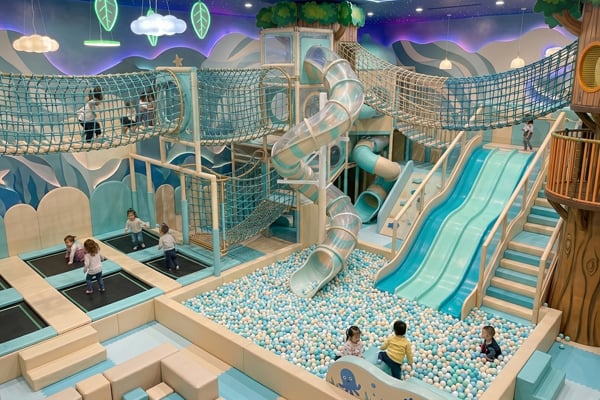
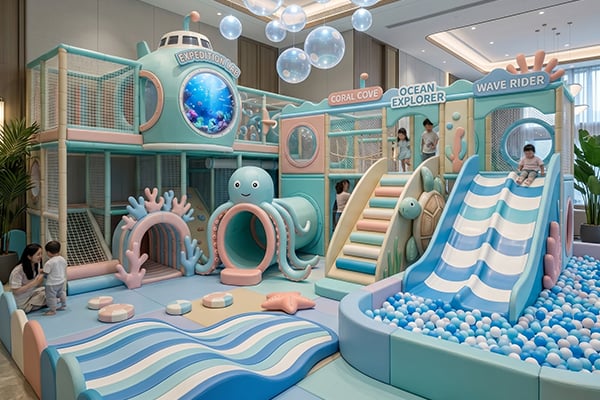
Commercial indoor playground equipment is the capital investment behind every high-traffic family destination- soft play sets at a daycare, modular jungle gyms at a mall corner, themed FEC builds with climb-and-slide adventure modules, hotel lobby kids zones. How the category looks similar across venues- how the buying criteria are not.
Whether you are searching for commercial playground equipment for a single play area or speccing four indoor play structures at a mixed-use FEC, the play structure tier you choose determines the compliance binder, lead time, and customer service burden for the next decade. We engineer by venue type- not SKU sheet.
One catalog kit, installed into four different venue types, fails in four different ways within 18 months. Buyers have experienced this directly. We developed the four-vertical playbook below so you do not have to.
Pain Nugget 1
Mall corner scaled to fit 200 kids/day structure fails on Saturday. Tier-1 mall weekend traffic peaks at 800+ kids. Wear-zone steel cracks after 18 months when designed for consistent load, not peak load. Reinforced wear zones and quarterly inspection sign-off documentation are mandatory for mall installations.
Pain Nugget 2
Kindergarten F1487 requirements without additional funding documentation: requisition denied. The 2021-2024 ARP-ESSER period closed September 30, 2024 (US Department of Education deadline). Kindergarten directors now pass procurement through Title I supplementary funding and state-level playground grants. Construction documents must align with the funding source, not just the safety code.
Pain Nugget 3
Hotel lobby unit at 80 dB: front-desk complaints cancel its installation after six months. Hotel lobby kids zones depend on noise level, brand color, and lobby footprint (20-60 m). The $30,000 themed unit installed using foam-coring from a low-noise zone experiences nightly noise complaints within the first quarter.
Solution Summary at a Glance
| Vertical | Footprint | Capex (CIF USD) | ROI Horizon | Compliance Focus |
|---|---|---|---|---|
| Shopping Malls | 200–1,500 m² | $25K–$300K | 12–18 months | F1487-26 + IPEMA |
| Family Entertainment Centers | 500–3,000 m² | $80K–$500K | 18–24 months | F1487 + F1918 + F2970 |
| Kindergartens & Daycares | 30–150 m² | $8K–$50K | Funding-led | F1487 + EN 1176-1 + CPSIA |
| Restaurants & Hotels | 20–100 m² | $5K–$30K | 6–12 months (dwell uplift) | F1918 + NFPA 701 + brand IP |
Industries We Serve — Vertical Solutions Snapshot
Each of our four industry verticals has its distinct footprint range, ROI horizon, compliance emphasis, and specific calculator. Click the vertical that corresponds with your project- or read on for the cross-vertical choice matrix below.
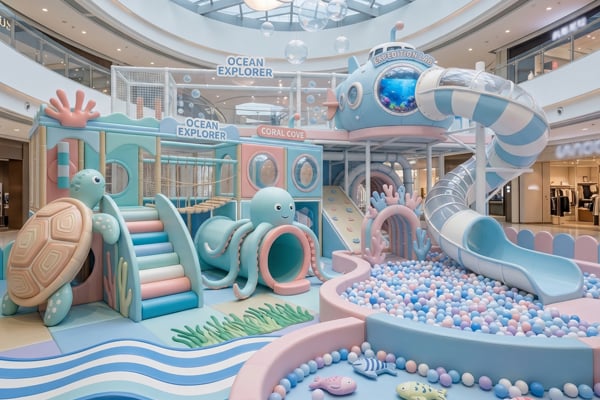
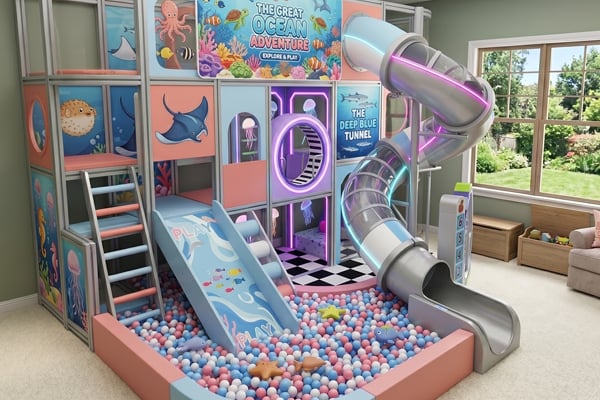
Shopping Malls — High-Traffic Durability for 800+ Kids/Saturday
Footprint:200–1,500 m²
ROI Horizon:12–18 mo
Compliance:F1487-26 + IPEMA
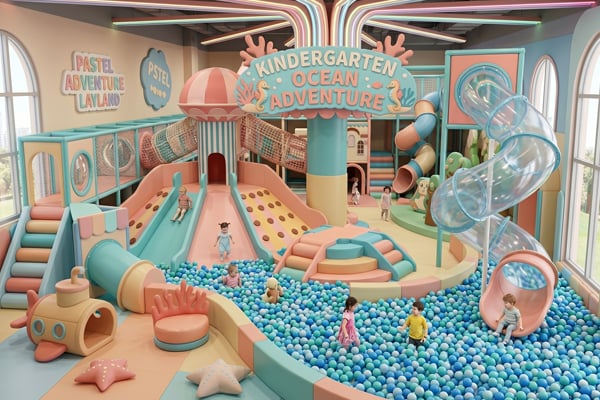
Family Entertainment Centers — Modular FEC Zones
Footprint:500–3,000 m²
ROI Horizon:18–24 mo
Compliance:F1487 + F1918 + F2970
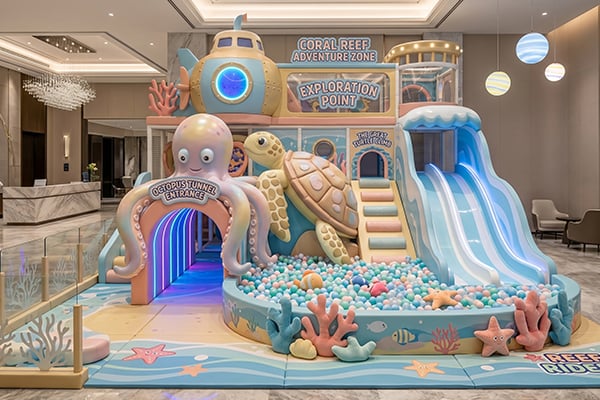
Kindergartens & Daycares — F1487 Ages 2–5 + Title I Funding Pathways
Footprint:30–150 m²
ROI Horizon:Funding-led
Compliance:F1487 + EN 1176-1 + CPSIA
Restaurants & Hotels — Lobby-Friendly Footprints + Brand Integration
Footprint:20–100 m²
ROI Horizon:6–12 mo (dwell)
Compliance:F1918 + NFPA 701 + brand IP
Industry Decision Matrix — Footprint, Capex, ROI, Compliance, Lead Time
Bookmark or quote this matrix. To our knowledge, it is the only indoor playground manufacturer published by-industry capex/compliance/payback comparison with methodology disclosure.
| Vertical | Footprint | Entry Capex (CIF) | Mid Capex | Premium Capex | ROI Horizon | Compliance | Lead Time |
|---|---|---|---|---|---|---|---|
| Shopping Malls | 200–1,500 m² | $25K–$60K | $80K–$180K | $200K–$300K | 12–18 mo | F1487-26 + IPEMA | 8–12 wk |
| Family Entertainment Centers | 500–3,000 m² | $80K–$160K | $200K–$320K | $380K–$500K | 18–24 mo | F1487+F1918+F2970 | 12–16 wk |
| Kindergartens & Daycares | 30–150 m² | $8K–$18K | $22K–$35K | $40K–$50K | Funding-led | F1487+EN 1176+CPSIA | 6–10 wk |
| Restaurants & Hotels | 20–100 m² | $5K–$12K | $15K–$22K | $25K–$30K | 6–12 mo | F1918+NFPA 701+IP | 4–8 wk |
Methodology — How This Matrix Was Calibrated
Calibrated against 600+ Didi Land installations (40+ countries, 2019 to 2025) using internal RFQ pricing data (FOB Guangzhou, recalculated to CIF destination port) and post-installation operator revenue surveys collected at 12-month warranty check-ins. Footprint range = our actual order book—nota catalog hype. ROI horizon= operator reported payback medians from completed installs within each vertical. This gets updated annually.
Didi Land vs. Catalog Manufacturers — How Industry-Tuned Specs Outperform
Most catalog manufacturers order only 1 product line into every venue type. Price is appealing on the quote sheet. Wear pattern, compliance gap, and post-sales surprise appear later.
| Dimension | Catalog Manufacturer | Didi Land Industry-Tuned |
|---|---|---|
| Footprint fit | Standard kits 200/350/500 m² | Custom 15–3,000 m² in 5 m² increments |
| Compliance stack | F1487 only (typical) | F1487 + F1918 + EN 1176-1 + IPEMA + CPSIA + GS-EN1176 |
| Pricing transparency | “GET A QUOTE” only | FOB / CIF / DDP shown line by line |
| Lead time tiers | “8–12 weeks” generic | 4–6 wk express / 8–10 wk themed / 12–16 wk bespoke |
| After-sales | 12-mo or vague “lifetime” | 12-mo full structural + lifetime parts (tooling retained) + 24/7 dealer |
| Industry vertical depth | One catalog | 4 verticals × distinct ROI / footprint / compliance |
| Customization | Color swap only | Full bespoke OEM — customize the IP, the floor plan, the color palette, the climb-tower geometry |
| Cost vs domestic | USA: 3–4× • Europe: 4–5× | China-direct baseline 1× (Koalaplay 2026 industry guide) |
“We trialed 14 wear zone steel grades before selecting the galvanized 2.5 mm tube wall for our mall structures. It was the only one to survive the 800-child Saturday load profile across our tier-1 installs without crack-line failure 18 months in.”
— Didi Land Engineering Team, Guangzhou QC Lab
This comparison equals a tangible purchase outcome—total landed-cost transparency, not just unit price. Our procurement guide section breaks out the line items explicitly.
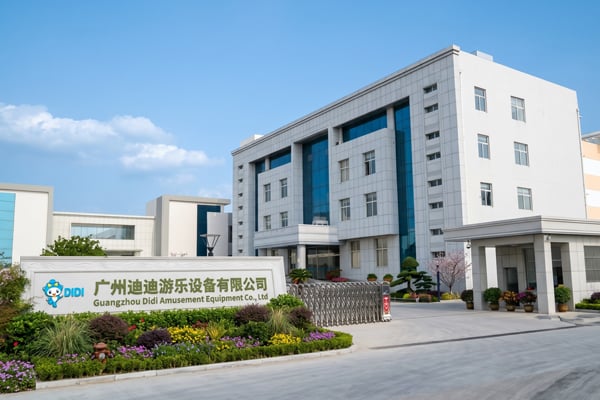
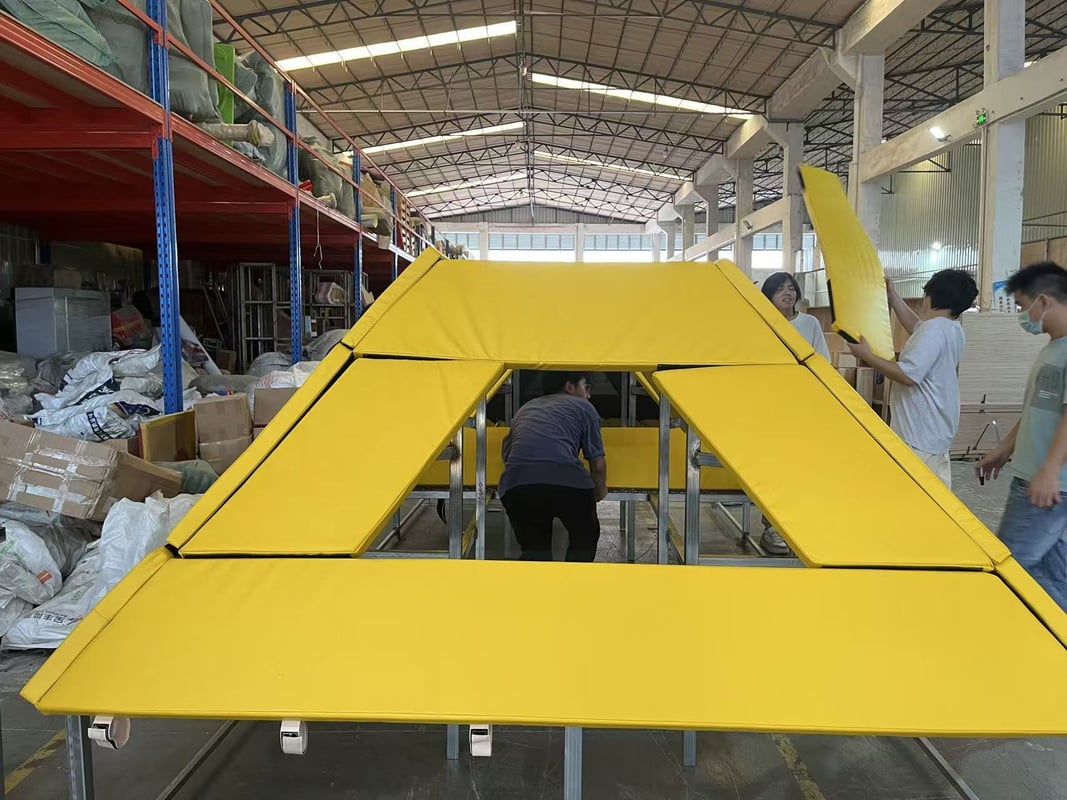
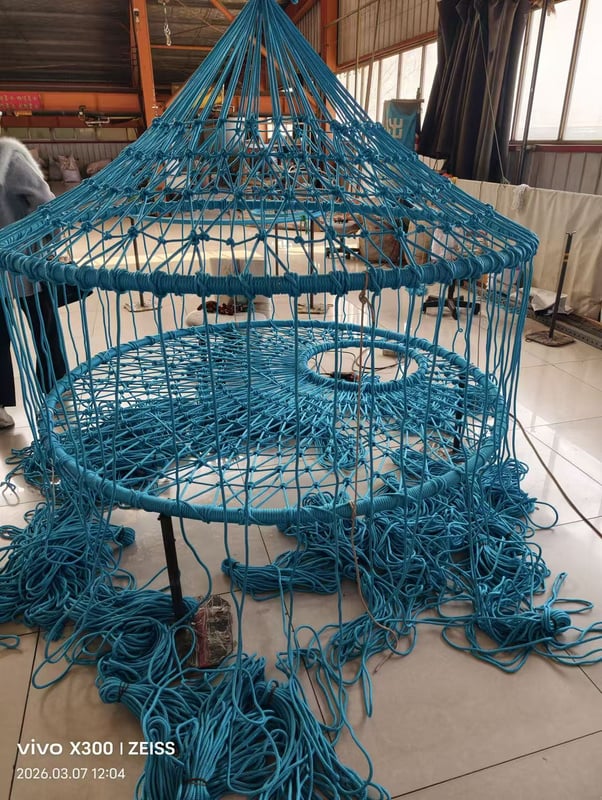
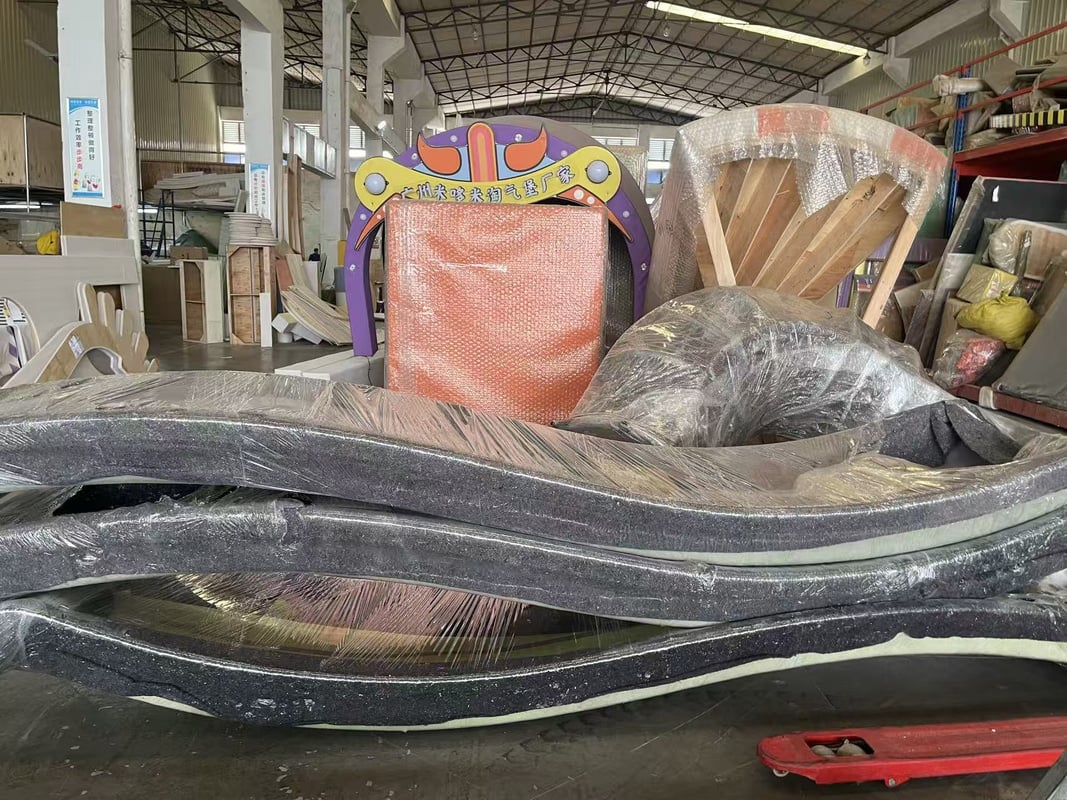
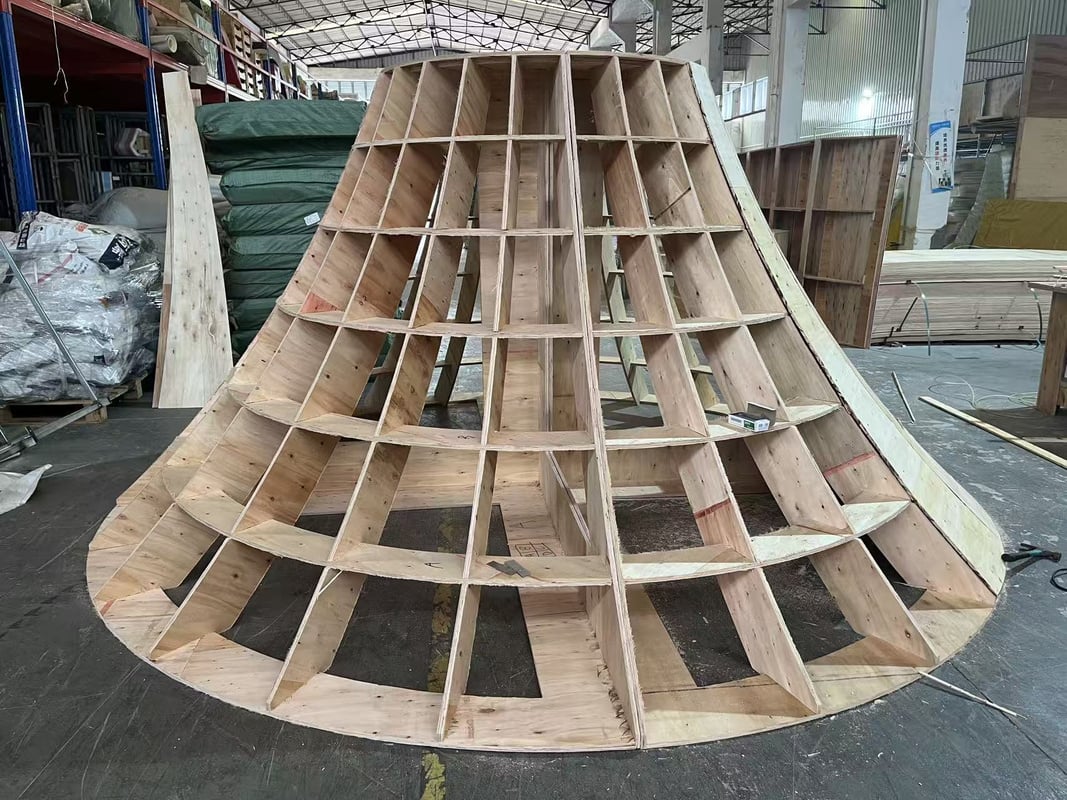
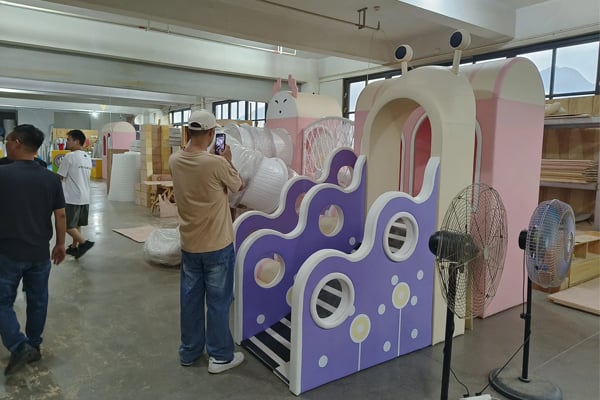
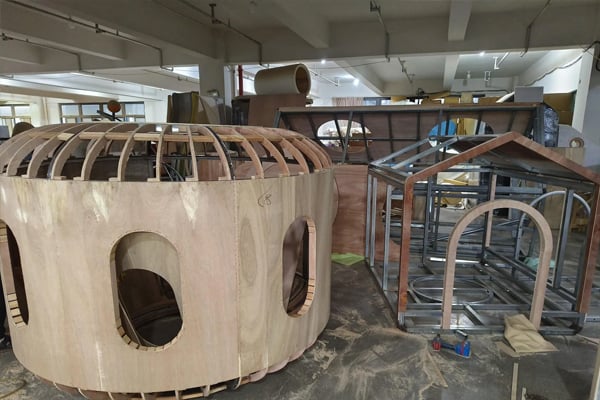
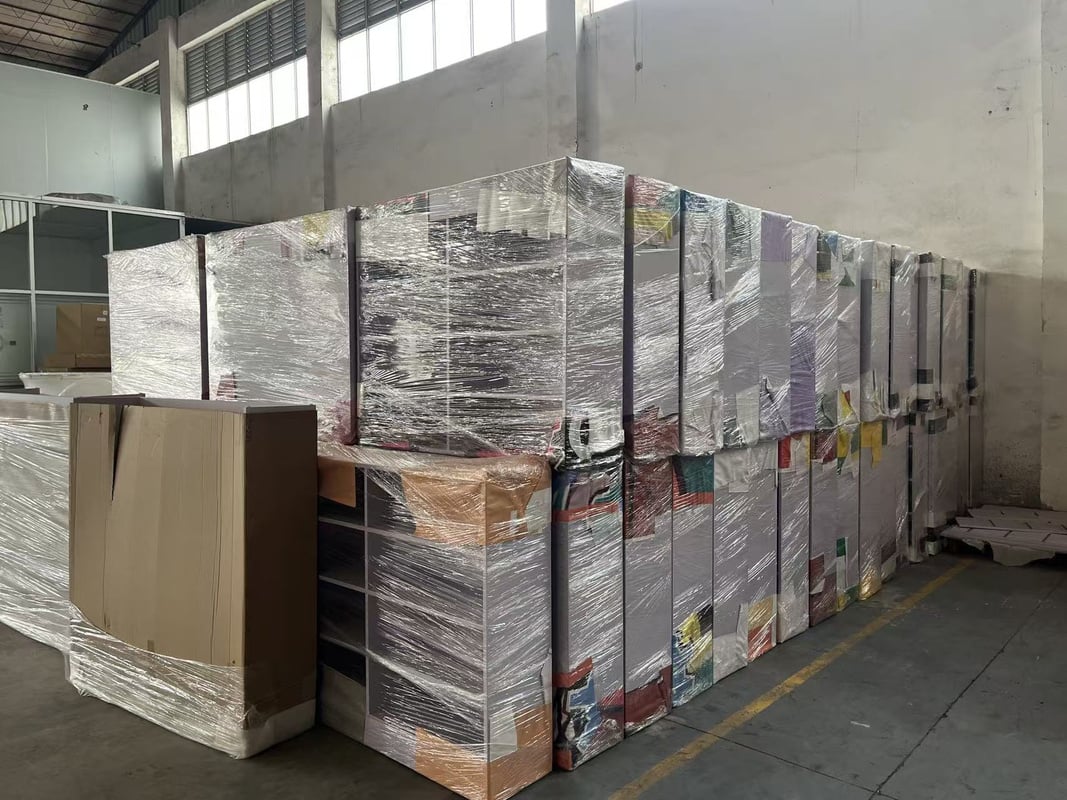
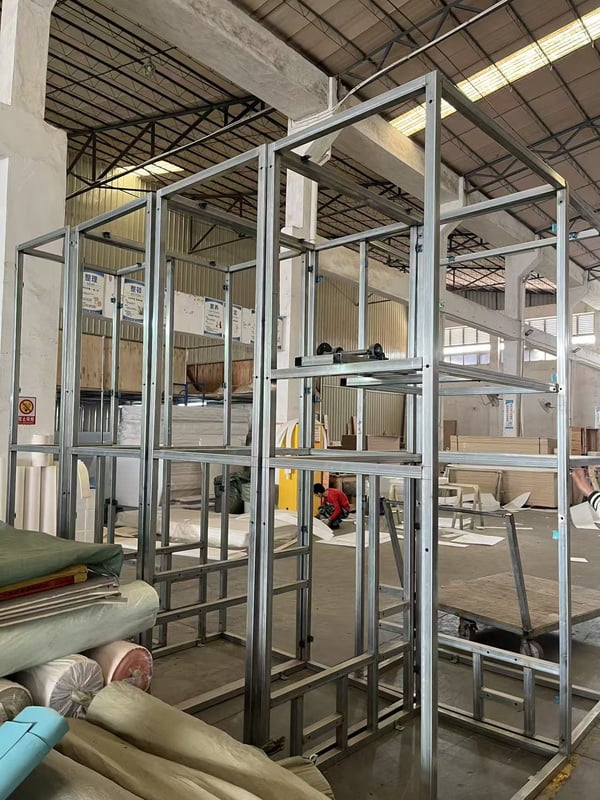
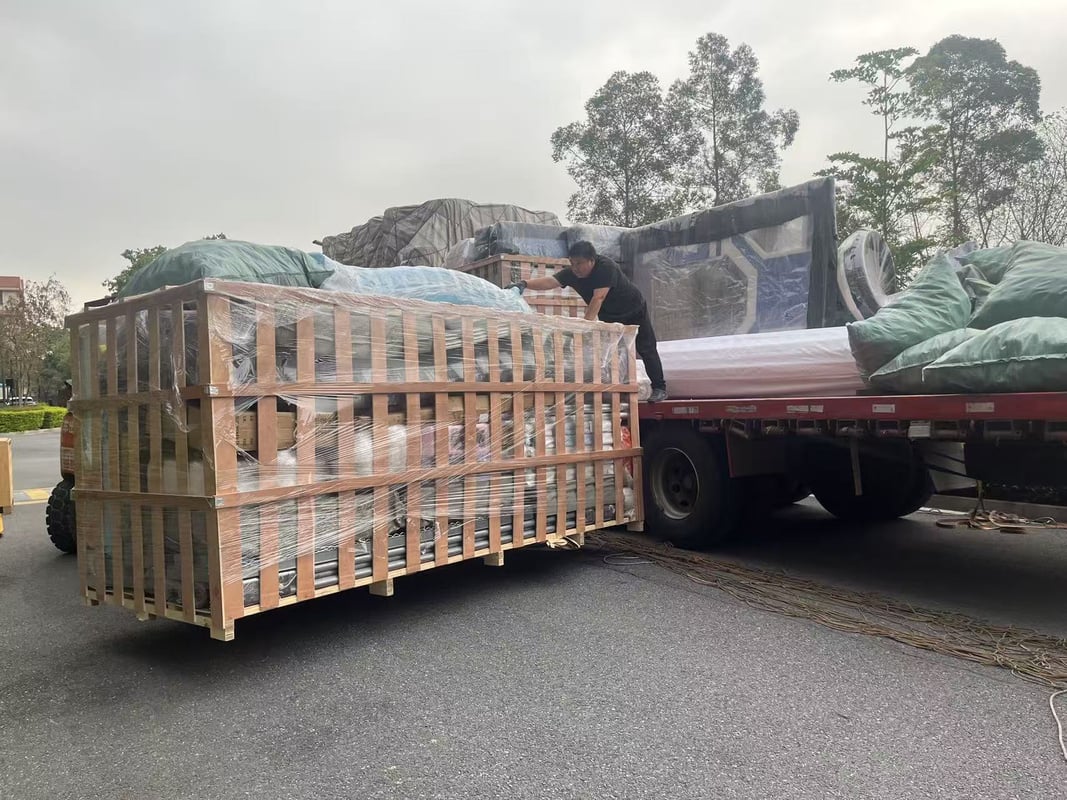
→ Request a Custom Comparison for Your ApplicationDidi Land Manufacturing Facility — 12,000 Sqm Advanced Production Base
×
![]()
Customer Outcomes — Project Case Studies Across 4 Verticals
Four installs; four verticals; four sets of buying criteria. Each case study below details the footprint, the compliance stack we shipped, and the operator-reported outcome.
Project 1 — Malaysian Shopping Mall (Jungle Theme)
Scope:
800 m² Jungle Theme · Age 3–12 · ASTM F1487 + EN 1176 · 2024
A mid-priced mall corner upgrade combining two formerly separate tenant centerpieces under one unified suburban-tropical theme. Material specifications were adjusted for high-humidity ambient conditions, and the 800-kid Saturday load profile was validated through the quarterly inspection cycle.
Operator-reported outcome:
Stay-and-play dwell uplift in the surrounding tenant zone, aligned with the mall’s family-traffic recovery KPI . Specific revenue figures are available under NDA in the full case binder.
Project 2 — French Kindergarten (Toddler Soft Play)
Scope:
80 m² Toddler Soft Play · Age 2–5 · EN 1176-1 + CPSIA · 2024
A suburban France day-care center installation that required chemical pre-acceptance on every soft play component. Component-level vinyl and foam testing was completed before the structure shipped, bypassing the typical multi-week post-arrival validation delay.
Operator-reported outcome:
The compliance binder was pre-approved by the parents association at month one, instead of the typical four-month review cycle .
Project 3 — Mexican Family Entertainment Center
Scope:
1,500 m² Modular FEC · Trampoline + Ninja + Soft Play · Ages 2–14 · 2025
A capital-city FEC project with three demographic-specific zones (toddlers / 6–10 / 10–14), with simultaneous use across all five age groups planned for the daily peak. ASTM F2970 trampoline pit, F1487 ninja course (with F1292 impact attenuation surfacing), and F1918 toddler soft play coexist in one venue.
Operator projection:
Anticipated $120,000 monthly revenue across ticket, party-package, and concession streams . The modular bay design allows trampoline expansion in year two without disturbing existing installations.
Project 4 — Polish Hotel Lobby (Space Theme)
Scope:
60 m² Space Theme · Age 4–12 · F1918 + NFPA 701 + custom brand integration · 2025
A boutique hotel lobby installation co-designed with the hotel’s brand color palette. Low-decibel foam coring was engineered to keep the lobby ambient noise below the front-desk threshold during play-window hours.
Industry context:
Kid-friendly hospitality is sized as a $175B global opportunity per the 2024 Wanderland Kids Hospitality Report , with 25% of brand preferences formed in childhood persisting into adulthood. 77% of parents report children influencing vacation activity selection (Family Travel Association). For an urban luxury property, the lobby kids zone is a brand-loyalty acquisition channel — not a cost center.
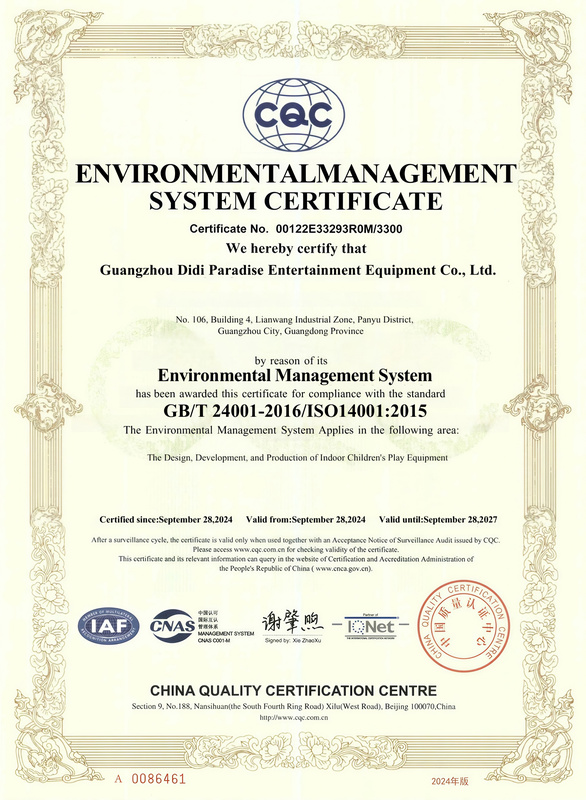
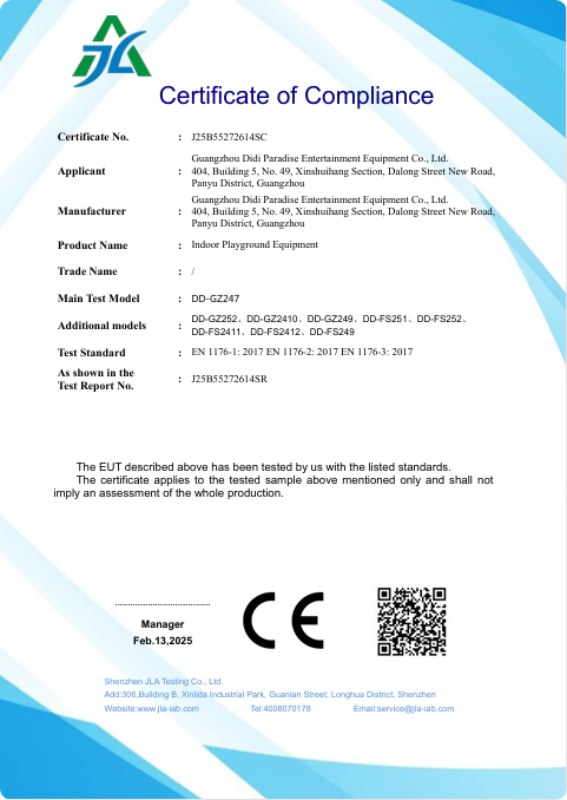
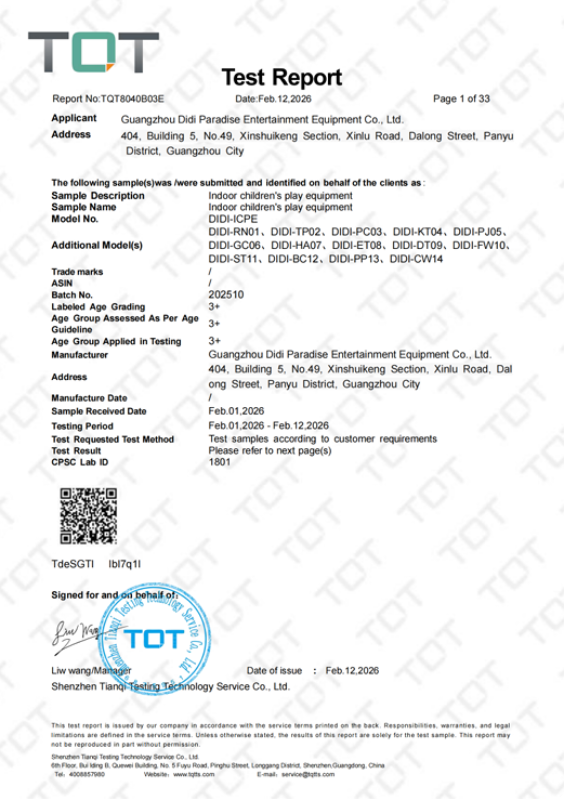
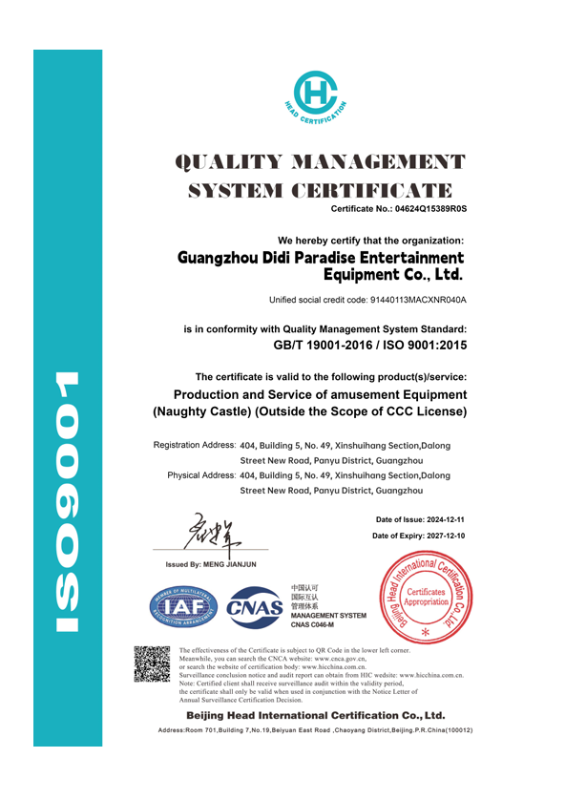
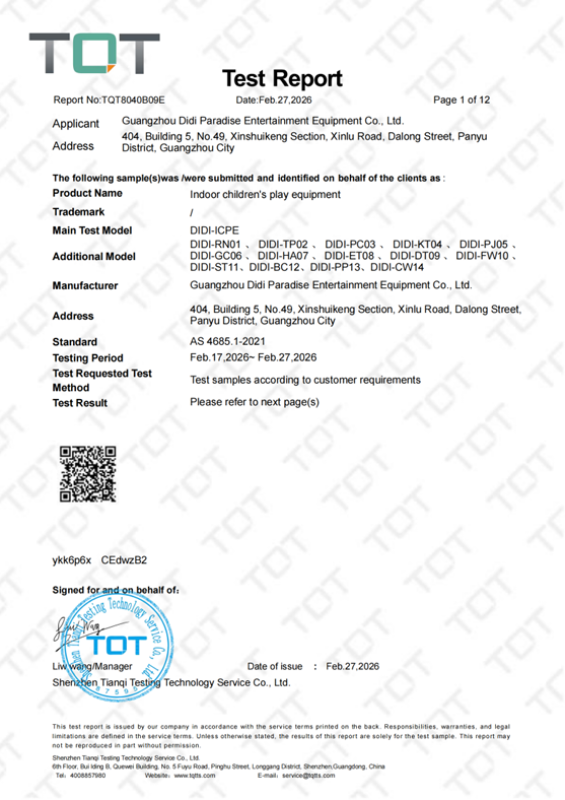
Compliance Stack — 6 Safety Standards, Mapped to 4 Industries
Compliance comes in a binder, not an accent line. Examples of the six industry-standard standards our high-volume equipment ships to are below, and the industry-by-industry applicability you should expect from any commercial provider.
ASTM F1487-26
Public Playground Equipment (US/Canada). Required structural standard for ages 2–12.
ASTM F1918
Soft Contained Play Equipment (US). Required for soft play, ball pits, foam structures.
EN 1176-1
European playground equipment standard. Mandatory for EU-bound shipments.
IPEMA
Third-party certified via TÜV SÜD American. Required by most US municipal RFQs.
CPSIA
16 CFR Part 1303 (lead) + 1307 (phthalates). Required for US kindergarten/daycare.
NFPA 701
Flame propagation testing for fabric/vinyl. Required in hospitality and inflatable environments.
| Standard | Mall | FEC | Kindergarten | Hotel/Restaurant |
|---|---|---|---|---|
| ASTM F1487-26 | Required | Required | Required | If structural play |
| ASTM F1918 | Optional | Required (soft modules) | Required | Required |
| ASTM F2970 | If trampoline | Required (trampoline) | Rare | Rare |
| EN 1176-1 | EU shipments | EU shipments | EU shipments | EU shipments |
| IPEMA | US municipal | US municipal | US municipal | Optional |
| CPSIA | Recommended | Recommended | Required (US) | Recommended |
| NFPA 701 | If fabric/vinyl | Required (soft + textiles) | Recommended | Required |
Compliance documentation runs deeper than the badge wall. We ship against ASTM material specifications for galvanized steel frames, HDPE polymer panels with UV stabilization, and EPE foam coring for soft play modules. Every accessory — from climbing wall hand-holds to ball pit perimeter panels — carries its own component-level test report, sourced from our designer team in Guangzhou.
Inclusive playground equipment design crosses every vertical we serve. Toddler indoor playground modules in a daycare classroom and the soft contained play sets in a hotel kids zone share the same craftsmanship benchmarks: sensory wall panels, low-decibel foam coring, and rounded climbing structure geometry tuned for early childhood coordination. Whether the install is a 30 m² playhouse for a kindergarten or a 1,500 m² FEC build with a multi-story modular climb tower, the indoor playground solutions ship with the same compliance binder framework.
“We’ve watched daycares thrive when the play structure includes inclusive ramps and sensory panels — not because they look different, but because every child can engage. Our designers spec for that from the brief stage, not as an afterthought retrofit.”
— Senior Application Engineer at Didi Land, Inclusive Design Review Lead
×
Field Operations Insights — From 600+ Installations
The power of play translates differently in each venue, and operators tell us the patterns that predict five-year survival. A modular indoor jungle gym at a tier-1 mall thrives on weekend foot-traffic intensity; a soft play set in a daycare thrives on sensory-rich variety; a themed climbing structure in a hotel lobby thrives when its frame and panel surfaces transform the space without disrupting check-in flow.
Insight 01 // Engineering Modularity
Modular construction is the quiet differentiator across all four verticals. Operators routinely add an obstacle course bay, a climbing wall accessory, or a toddler playhouse zone two to three years after the original commissioning — and they do it without rebuilding the existing frame. We engineer every install with that exercise of expansion in mind: bolt-pattern compatibility, panel modularity, and load-path continuity from year one.
Insight 02 // Compliance Front-Loading
Daycares and early-childhood operators ask the most specification questions, because their compliance bar is the highest. CPSIA component-level testing, EN 1176-1 entrapment-zone calibration, and inclusive playground equipment access ramps all need to be in the binder before the first child uses the structure. Suppliers who deliver this documentation as a standard inclusion — not as a paid extra — earn the repeat business that compounds across multi-location chains.
Cross-Vertical Buyer Languages
Mall and FEC operators talk about ROI; daycare directors talk about coordination, fitness, and brain-body development; hotel brand managers talk about guest experience continuity. Our designer team is fluent in all three buyer languages because the same play elements support all three outcomes — a climb panel improves a child’s coordination at the daycare, drives social-share moments at the FEC, and signals brand care at the hotel.
Procurement Guide — Pricing, Lead Time, MOQ, and After-Sales
Procurement teams’ single standardized query. The real answer is four – one per vertical. Following is the industry-by-industry capex matrix, along with the line item differentiators most catalog suppliers exclude from a quote.
Pricing Tiers by Industry (CIF USD)
| Vertical | Entry | Mid | Premium (Bespoke OEM) |
|---|---|---|---|
| Shopping Malls | $25K–$60K (200 m²) | $80K–$180K (500 m²) | $200K–$300K (1,000–1,500 m²) |
| FECs | $80K–$160K (500 m²) | $200K–$320K (1,500 m²) | $380K–$500K (3,000 m² + bespoke IP) |
| Kindergartens | $8K–$18K (30–50 m²) | $22K–$35K (100 m²) | $40K–$50K (150 m² + Title I docs) |
| Restaurants/Hotels | $5K–$12K (20–40 m²) | $15K–$22K (60 m²) | $25K–$30K (100 m² + brand IP) |
Lead Time Tiers
- Express Standard Catalog: 4–6 weeks manufacturing (stable SKU mix)
- Standard Custom Theme: 8-10 weeks (Jungle / Space conversions, modest footprint remodels)
- Bespoke OEM (Full Custom IP): 12-16 weeks (full bespoke brand IP, large FEC projects)
- International sea freight: add 3-6 weeks transit on top of manufacturing time
MOQ and Sample Exceptions
Soft play minimum 30 m². Modular structures minimum 100 m². Sample units and dealer evaluation orders accepted below MOQ on a case-by-case basis.
After-Sales SLA
Twelve-month full structural warranty.
Lifetime parts availability – we retain mold tooling for legacy installs, so a 2018-era panel can still be re-ordered as a spare.
Project Planning & Estimation Tools
Leverage our suite of interactive tools to instantly match your venue to the right specifications, calculate your projected ROI, map out compliance requirements, and estimate total landed costs with precision.
01 / DISCOVERY
Industry Match Quiz
Identify the optimal equipment specifications, structural themes, and demographic focus tailored specifically to your venue’s footprint.
Start Quiz
02 / BUDGETING
By-Industry Capex Estimator
Calculate your projected capital expenditure based on footprint size and venue vertical, from entry-level builds to bespoke OEM setups.
Calculate Capex
03 / REGULATORY
Compliance Stack Mapper
Generate a customized list of mandatory safety certifications (ASTM, EN, IPEMA) required for your region and project vertical.
Map Compliance
04 / FINANCIALS
Total Landed Cost Calculator
Compute your final landed cost including overseas freight, duties, installation labor, and site preparation variables.
Estimate Total Cost
Ready to Spec Your Vertical?
Send us your home floor plan, age group, theme direction and budget range. We will provide you a feasibility note in 3-5 working days, 3D photoreal free in 7-10 working days and itemized quote(FOB / CIF / DDP) in 3 days of designs approval.
![Custom Dinosaur Playground Equipment [Design Guide]](https://didiplayarea.com/wp-content/uploads/2026/09/custom-dinosaur-playground-equipment-r2-featured-1-150x150.png)