Get in Touch with Didi Land

DIDI PLAYGROUND | CUSTOM SOFT PLAY MANUFACTURER
Foam Play Equipment | Steps, Ramps & Tunnels | Didi Land
Custom foam play zones for indoor playground investors who need safer toddler play, quicker layout decisions, and quote-ready project support. Foam climbers, ball pits, soft blocks, toddler mats, and themed play structures arranged from your floor plan.
2014
Manufacturer established
40+
Export countries served
90%+
Products sold to global markets
24/7
Online consultation and after-sales support


Venue Layout & Efficiency
Convert Small Indoor Areas Into Safer Soft Play Revenue Zones
A small soft play area may need to carry a demanding job: keep toddlers focused while leaving the wider venue open for parents, staff, and other attractions. For an indoor playground, hotel kids corner, family restaurant play area, or shopping mall toddler zone, the weak point is rarely the concept. It is the missing plan that connects age band, traffic route, cleaning access, and module selection.
Cost-Control Readiness Card
This is a Bronze evidence card, not an ROI declaration. Cost control starts when the design team can see room size, ceiling clearance, child age band, expected traffic, theme requirements, shipping market, and installation limits before quoting. Without those variables, price comparison usually becomes a contest between estimates.
Planning Question
RFQ Input
Where will children enter and exit?
Doorway + staff sightline
Which age band is the zone built around?
Toddler / mixed / 2-12 reference
How will staff clean the active surfaces?
Mat, block, ball pit, cover access
Which modules create the play value?
Ball pit + climber + mats + blocks
What proof should procurement ask for?
Material, cover, netting, standard notes
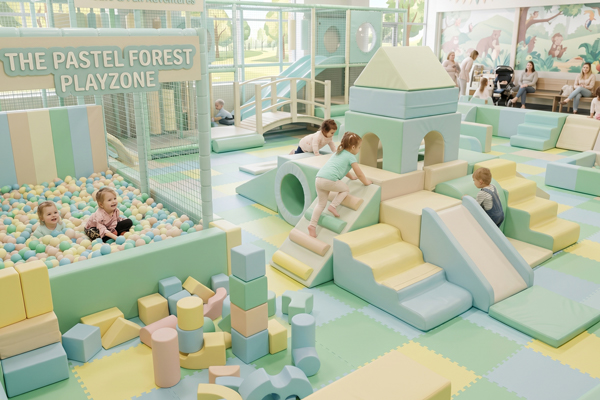
Didi Foam Play Equipment Lines: Indoor Playground Equipment, Ball Pits, Play Mats, and Toddler Zones
Didi foam play equipment is built as a project module system rather than a static toy set. Common modules include soft play blocks, foam climbers, play mats, ball pit borders, small slides, soft obstacles, themed walls, and toddler play zones. Each element has a job: guide movement, cushion falls, separate age groups, support imaginative play, or deliver a branded look for repeat visits. If the wider indoor playground plan includes a trampoline module, keep it outside the toddler soft play route and review the relevant safety standard separately.
For engineers and designers, the productive question is not “how many components are in the set.” The better query is which module protects the layout from a predictable operating mistake. Ball pit planning involves entry control and cleaning access. Foam climber design calls for a fall zone and staff visibility. Toddler play areas need lower height, visible boundaries, and resilient foam contact points.
Ball Pit Zones
Useful for compact family entertainment areas when the border, entry, and cleaning route are planned before production.
Foam Climbers
Best for gross motor play when height, landing path, and nearby traffic are controlled in the layout.
Soft Play Blocks
Useful for modular play patterns, themed rooms, and toddler zones that need flexible arrangements.
Play Mats
Set the base layer for crawling, tumbling, and low-impact play while helping staff see cleaning boundaries.
Themed Walls
Turn a plain play space into a brandable room for shopping malls, hotels, restaurants, and early education centers.
Soft Obstacles
Add route variation without pushing the project into a full-height indoor playground structure.
Module Vocabulary for Commercial Soft Play RFQs
Procurement teams can compare soft play products more clearly when every supplier uses the same module language. The table below turns common play solutions into quote-ready terms for commercial indoor play projects.
RFQ Term
How To Use It In A Quote Request
High-density foam core
Ask where high-density foam is needed for contact points, climbers, mats, and toddler modules.
Soft play ball pit / foam ball pit / ball pool
Use these terms when the design needs a contained ball area with entry control and cleaning access.
Play climber / corner climber / climbing set
Use these terms for indoor climbing modules that need landing space and staff sightline planning.
Foam blocks / foam building blocks / colorful foam blocks
Use these terms when the project needs modular toddler shapes, theming, or flexible activity layouts.
Activity play mat / floor mat / pad
Use these terms to separate the soft floor interface from vertical play structure components.
Kids soft play / toddler zone / secure space
Use these terms when childcare providers, daycare rooms, playroom corners, or family entertainment venues need a controlled environment for children.
Engaging play / sensory development / motor skills
Use these terms when the project goal includes gross motor movement, sensory stimulation, and playtime for little ones or children of all ages.
Commercial Soft Play Equipment vs Retail Soft Play Sets
Retail soft play sets can look close to commercial soft play in photos because both use foam shapes and bright covers. Opening day exposes the operating difference: a business needs layout control, surface cleaning, repair routing, age-band separation, and supplier documents. That is why the comparison should be built around operating criteria, not only purchase price.
Comparison Point
Commercial Soft Play Equipment
Retail Soft Play Set
Why The Buyer Cares
Layout basis
Floor area, ceiling height, entry route, staff sightline, and theme plan
Fixed SKU size chosen before the room is measured
Prevents dead corners and unsafe traffic crossings.
Age planning
Age band, height limits, and module difficulty set during design
Age label depends on the purchased set
Keeps toddler, mixed-age, and family entertainment uses separate.
Cleaning route
Visible wipe points, mat seams, ball pit border, and access points reviewed
Cleaning depends on the set owner’s routine
Cleaning labor becomes part of the daily operating plan.
Material proof
Buyer can request foam, cover, seam, netting, and standard-reference notes
Material detail may stop at product listing language
Procurement can compare supplier risk with a written checklist.
Repair path
Replacement discussion tied to project drawing and supplier support
Replacement depends on retail SKU availability
Downtime risk is easier to control when parts and drawings match.
Design output
2D CAD and 3D venue visualization can be prepared for review
Buyer arranges layout without manufacturer planning support
Investors can approve the play space before ordering.
Ready to compare a custom layout against retail set options for the same room?
Request a custom comparisonCustom Indoor Playground Design Workflow: Layout, Theme, and Installation Readiness
A custom indoor playground workflow should reduce the number of unknowns before procurement asks for price. Didi starts from site conditions, not from a half-built product list: room size, venue type, expected child age, brand theme, entrance position, viewing area, and installation market all shape the soft play solution.
This workflow also protects the investor from a common buying mistake: requesting a quote with only a photo reference. Photo references can show color and theme, but they do not show ceiling height, column positions, cleaning access, or where staff can stand during operation.
| Workflow Step | Buyer Input | Didi Output | Decision Reduced |
|---|---|---|---|
| 1. Site Brief | Room size, ceiling height, doors, columns, market | Initial project feasibility notes | Whether foam play fits the space |
| 2. Age + Venue Match | Toddler, mixed-age, school, hotel, FEC, restaurant | Module difficulty and zone boundary plan | Whether the design matches the user group |
| 3. Theme Direction | Logo, color, IP character, local preference | Custom logo and themed visual direction | Whether the play area looks branded |
| 4. Layout Draft | Final room drawing or measured sketch | 2D CAD floor plan and 3D visualization | Whether the layout is ready for approval |
| 5. Quote Pack | Preferred modules, shipping market, support needs | Project quotation and support route | Whether procurement can compare offers |
Safety Standards, Materials, and Cleaning Logic for Soft Foam and High-Density Foam Play Structures
Soft foam play structures are bought for children, but they are judged by adults: owners, staff, parents, insurers, and procurement teams. Material review should therefore move beyond color and comfort. It needs to cover impact behavior, cover cleanability, seam exposure, netting or barrier condition, floor surface condition, and age guidance. CPSC’s soft contained play checklist points operators toward practical inspection items such as safety netting, cargo webbing, ropes, floor condition, cleanliness, age or size recommendations, and supervision around slide exits and climbing areas. These are useful RFQ topics because they turn “is it safe?” into visible inspection points.
ASTM F1918-21 is cited by ANSI as the standard specification for soft contained play equipment safety performance for children ages 2-12. ASTM F1487-21 and ASTM F1292-22 are also relevant reference points for public playground equipment and impact attenuation. Suppliers should help you understand which standards are relevant to your project type and market.
Commercial Soft Play Equipment Safety Standards and RFQ Measurements
For U.S. projects, OSHA is an installation and jobsite reference, not a certificate for the foam module itself. For export or regulated venues, procurement should ask whether ISO management-system documents, ISO material test reports, ASTM notes, CPSC checklist items, EN market requirements, and local fire or hygiene rules apply. OSHA jobsite planning and ISO document scope should be reviewed beside product-level evidence, not used as a shortcut for every mat, ball pit, cover, frame, and installation condition.
The measurement examples below are RFQ input formats, not universal safety limits. Replace every number with the real site measurement before Didi prepares the modular indoor playground equipment layout.
RFQ Measurement Field
Example Format To Send
Why It Matters
Room footprint
8 m length and 5 m width
Sets the soft play area boundary before modules are selected.
Ceiling and overhead note
3.2 m ceiling height with 30 cm obstruction note
Protects climber, slide, and themed wall planning.
Entry and service route
90 cm entry width and 120 cm staff service path
Helps separate child traffic from cleaning and supervision routes.
Ball pit boundary
45 cm border height and 15 cm foam top-pad reference
Clarifies the age band and cleaning access discussion.
Soft floor interface
3 cm mat thickness and 2 cm edge transition reference
Shows where mat joints, ramps, and covers need review.
Climber planning note
60 cm platform reference and 120 cm landing-path sketch
Keeps gross-motor play, fall route, and staff sightline visible.
Wall and column position
20 cm wall offset and 10 cm column clearance note
Prevents late redesign around fixed site obstacles.
Photo scale reference
1 m ruler mark or 50 cm floor-tile reference in site photos
Helps the design team avoid guessing scale from phone photos.
Sample reference request
10 cm x 10 cm cover swatch and 30 cm x 30 cm foam pad reference if samples are available
Gives procurement a practical way to compare cover feel, foam firmness, and cleaning surface.
Operations window
2 hours cleaning window and 24 hours post-install inspection plan
Connects equipment choice to daily operation, not only opening-day photos.
Supplier background
10 years manufacturing context, 90% global sales share, and 20% average annual growth note
Helps procurement separate factory evidence from catalog-only selling.
Spec Area
Buyer Should Ask For
Operating Reason
Evidence Source
Foam Core
Foam type, firmness class, sample, and module use case
Different modules need different compression behavior.
Supplier material review
Cover Surface
Cover material, cleaning method, color sample, wear expectation
Staff must clean the surface without damaging the cover.
Maintenance planning
Seams + Edges
Seam position, zipper exposure, edge reinforcement
Edges and seams are common inspection points.
CPSC-style inspection logic
Netting + Barriers
Net type, opening control, attachment route, inspection access
Damaged netting or webbing can create avoidable risk.
CPSC checklist
Floor + Mats
Mat layout, joint plan, edge treatment, cleaning route
Floor surfaces affect both impact and daily cleaning.
CPSC and ASTM reference context
Documentation
Relevant standard notes, test references, certificate scope, care guide
Procurement needs written evidence, not only product photos.
Buyer risk control
Internal Factory Evidence
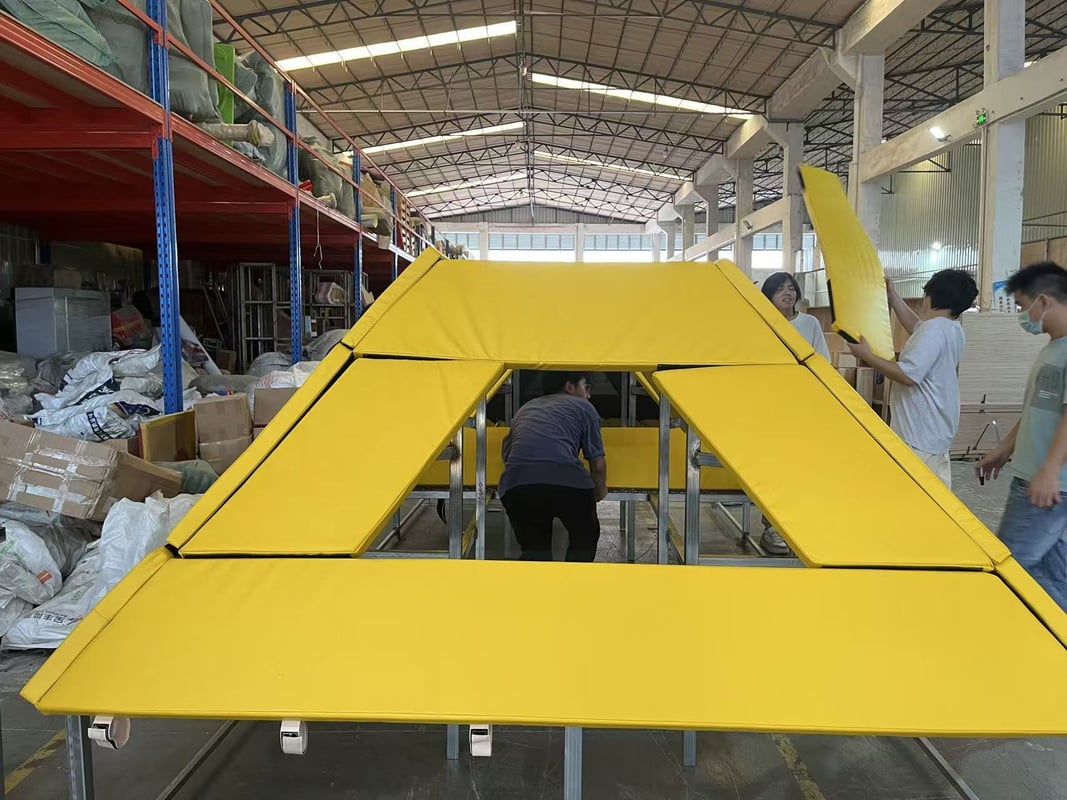
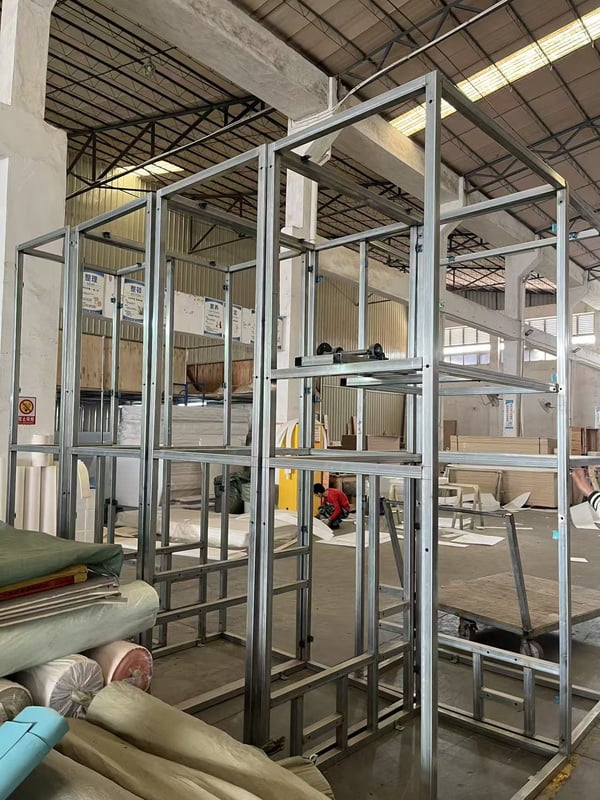
Didi’s production support includes laser tube cutting machines, tube saws, punching machines, drilling equipment, tube benders, press brakes, MIG/TIG/CO2 welders, robotic welding equipment, grinding equipment, and polishing equipment. For a soft play buyer, the practical value is not the machine list itself; it is the ability to discuss structure, finish, and installation readiness with a manufacturer rather than a reseller only.
Soft Play Zone Fit Matrix
The Soft Play Zone Fit Matrix is the planning tool behind this page. It does not claim that every venue needs the same indoor playground equipment. It helps owners match the play area to the venue’s business model before ordering a ball pit, foam blocks, foam climbers, or themed wall panels.
| Venue Type | Age Band | Core Modules | Planning Priority | RFQ Data Needed | Best Micro CTA |
|---|---|---|---|---|---|
| Shopping mall toddler zone | Toddler-first | Soft blocks, mats, low climbers | Visibility from walkway | Lease area + entry side | Layout review |
| Family entertainment center add-on | Mixed family | Ball pit, climbers, soft obstacles | Separate from older-child attractions | Traffic route + staff position | Zone planning checklist |
| Kindergarten or early childhood center | Early years | Mats, sensory blocks, crawl shapes | Learning and sensory development | Class size + activity goals | Spec sheet |
| Family-friendly restaurant | Young children | Soft blocks, low slide, wall theme | Compact footprint and parent sightline | Dining view + clean-up route | Room sketch review |
| Hotel kids corner | Guest families | Soft play set, mats, theme pieces | Brand look and easy cleaning | Lobby or activity room plan | Theme concept |
| Community recreation space | Mixed use | Modular blocks, mats, low obstacles | Flexible daily setup | Storage need + program schedule | Module shortlist |
| Compact indoor playground startup | Targeted by concept | Ball pit, climber, soft floor, wall theme | Ticket value per square foot | Business model + space drawing | Quote-readiness call |
| Ball pit and foam climber zone | Active toddler | Ball pit, foam stairs, soft slide | Exit control and fall path | Border height + entry location | Safety checklist |
| Themed soft play room | Brand-led | Custom wall panels, soft blocks, photo corner | Visual identity and repeat visits | Logo, color, IP direction | 3D visualization |
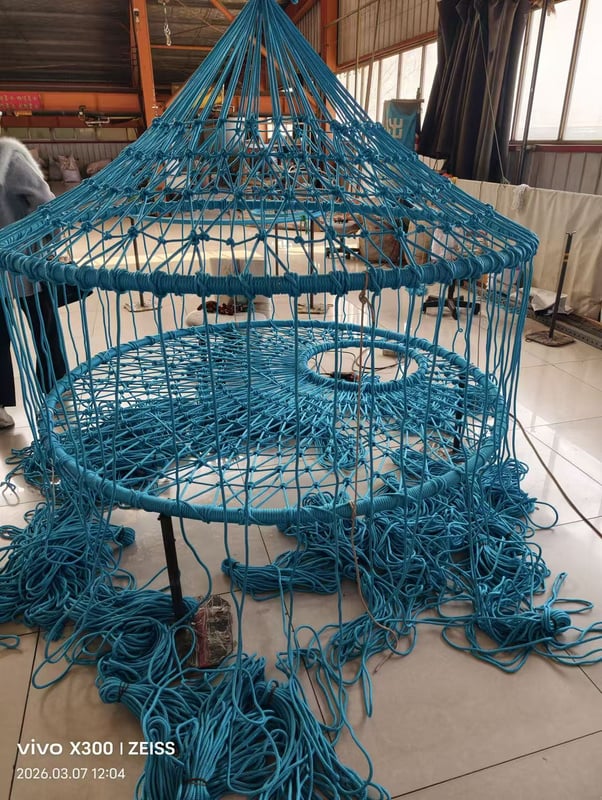
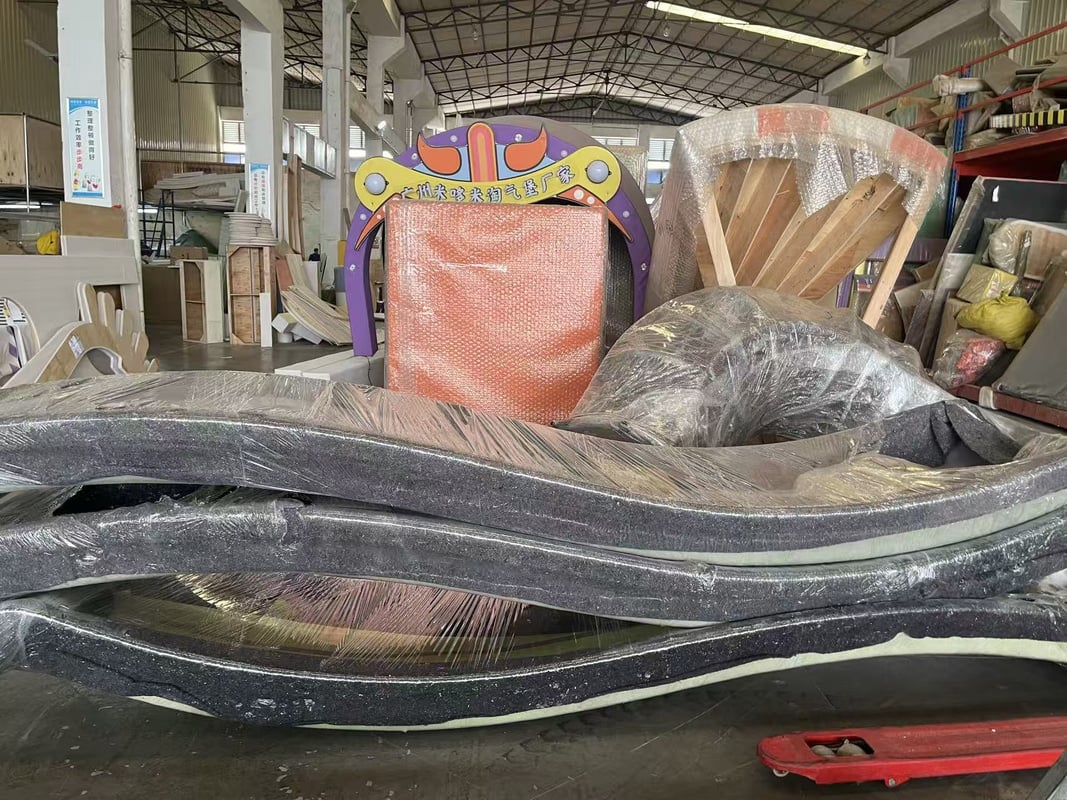
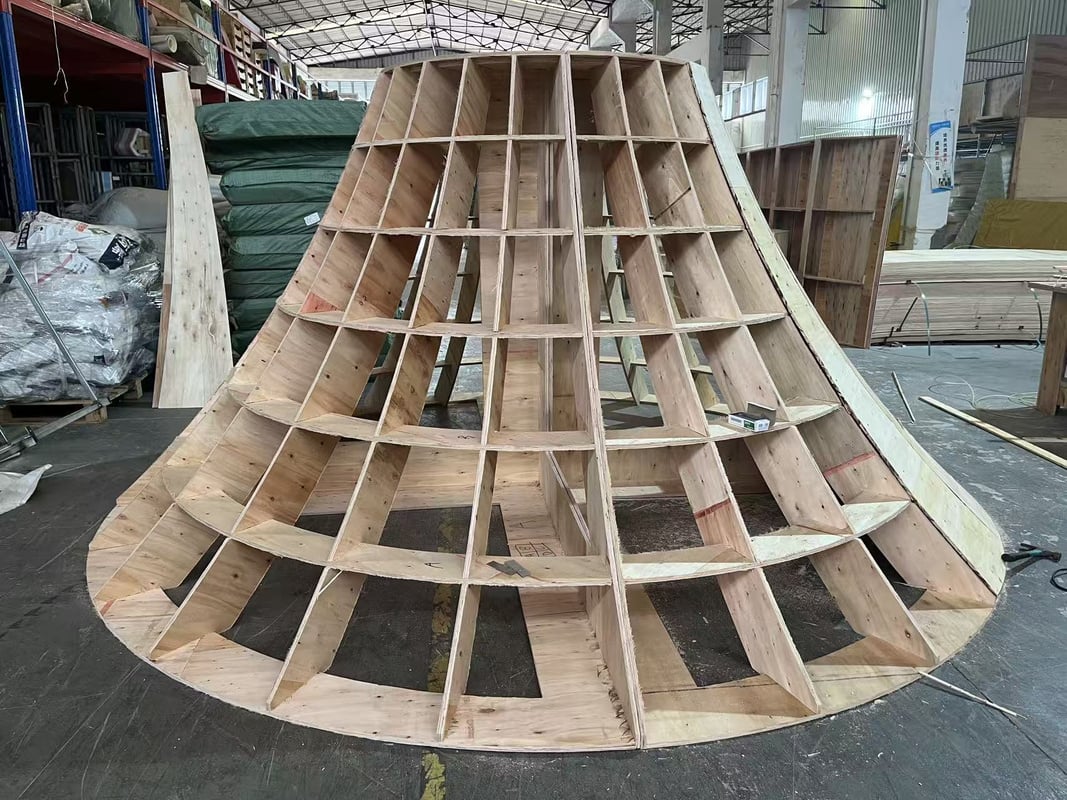
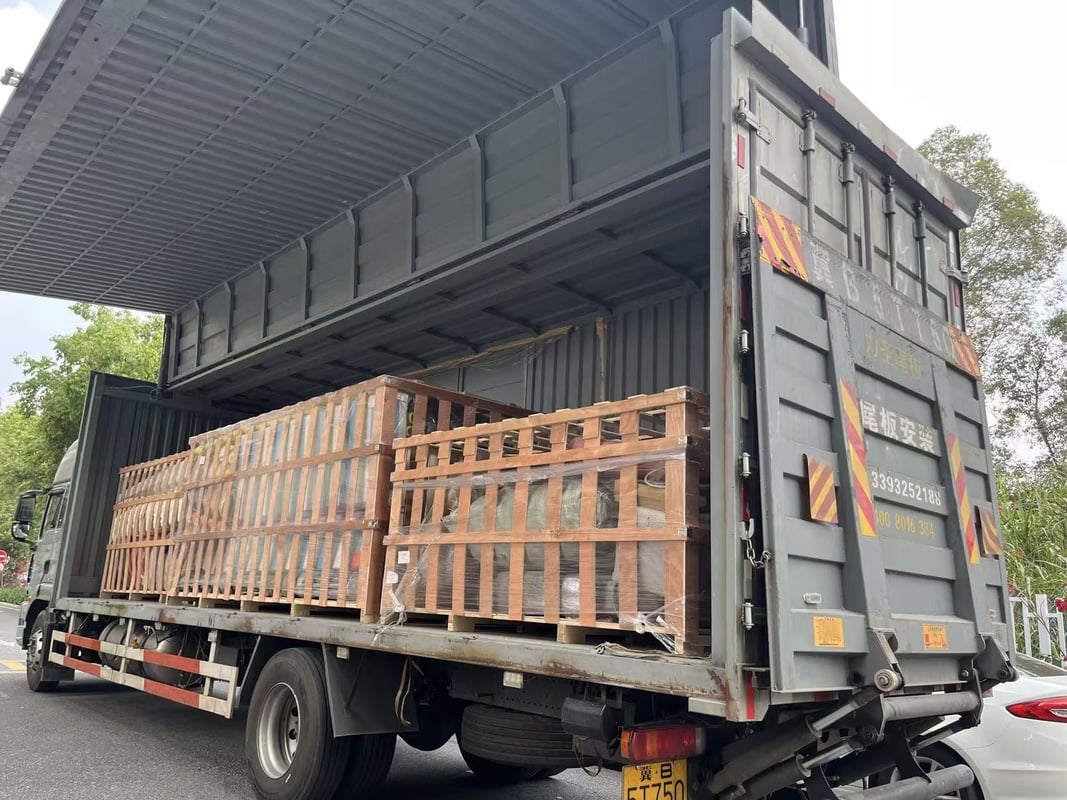
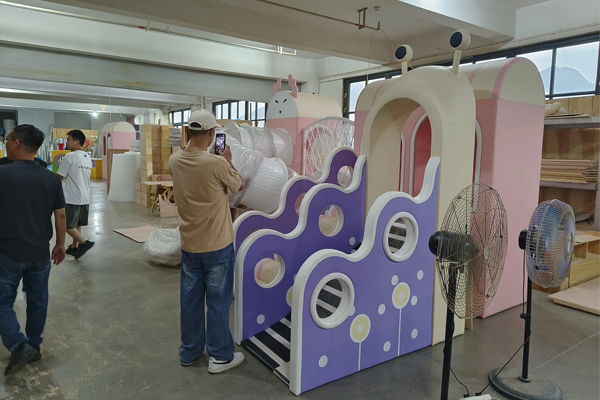
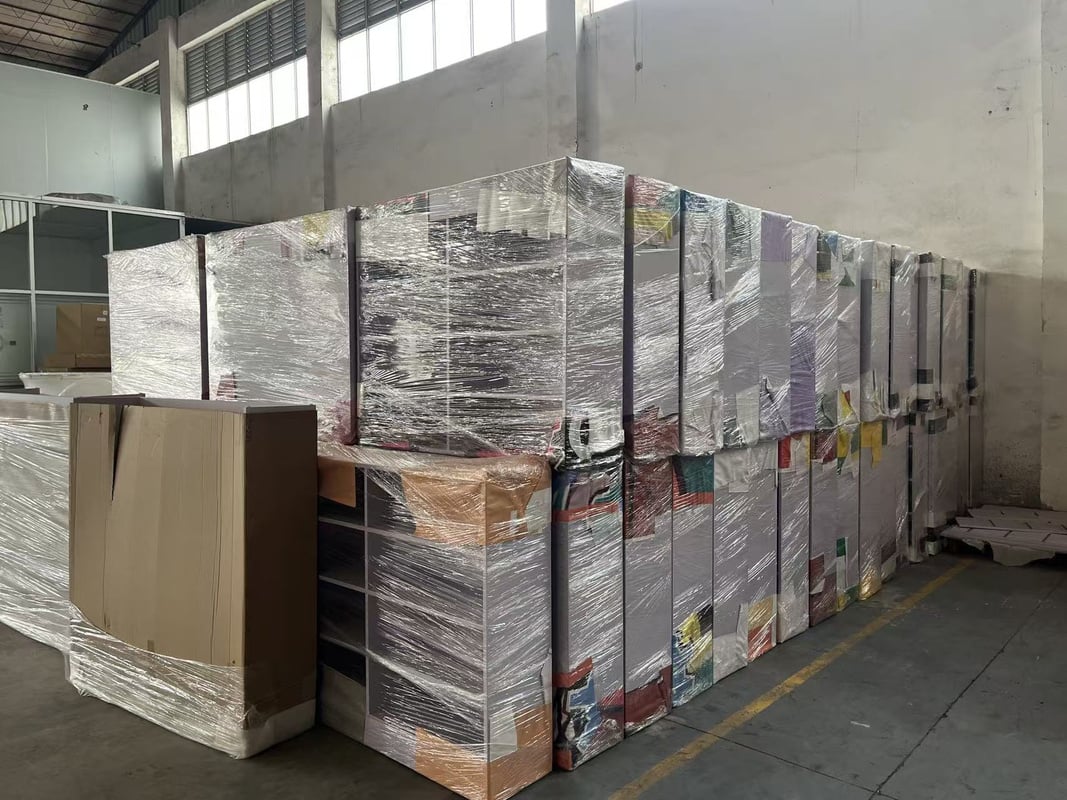
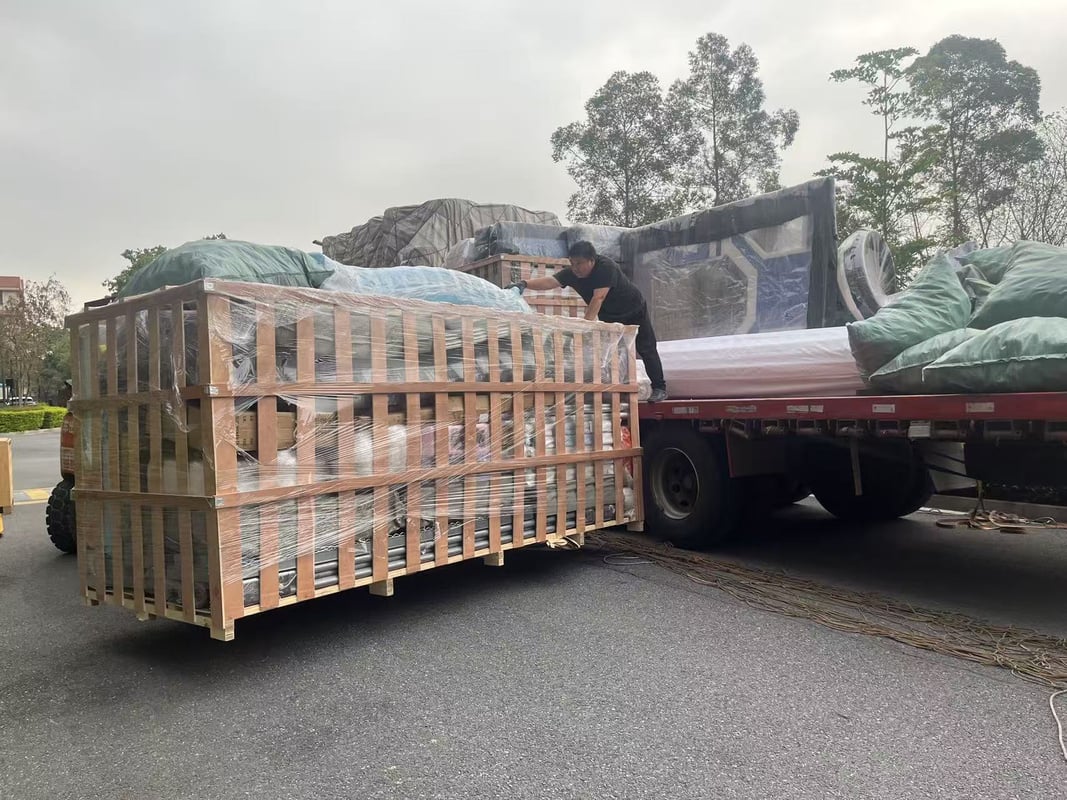
Didi Land Manufacturing Facility — 12,000 Sqm Advanced Production Base

×
![]()
Buying Guide: Price Factors, MOQ, Lead Time, Warranty, and After-Sales Support
Serious soft play equipment for sale requests should not start with only a single number. Custom commercial soft play equipment pricing is shaped by project variables: floor size, age band, module count, theme detail, material requirements, safety specification, packing method, shipping market, and installation support. Supplier quotes generated before receiving this information are incomplete offers submitted for comparison.
External vendor budgeting guides show that indoor playground investment decisions are driven by facility setup, core equipment, safety considerations, customization, maintenance, and operating factors. Treat these categories as cost drivers, not as a Didi price guarantee.
| Quote Factor | What Changes The Quote | What To Send Didi | Procurement Risk Reduced |
|---|---|---|---|
| Floor Area | Room size, columns, door locations, ceiling height | CAD file, lease plan, or measured sketch | Wrong-size module purchase |
| Age Band | Toddler, early childhood, mixed family, school use | Target ages and supervision model | Mismatch between difficulty and users |
| Module Mix | Ball pit, foam climber, mats, blocks, slide, themed wall | Must-have modules and optional modules | Overbuying or missing play value |
| Theme Detail | Color, logo, IP character, photo corner, wall graphics | Brand guide or reference images | Generic look that does not match the venue |
| Material Evidence | Foam, cover, seam, floor, netting, documentation scope | Required spec questions and market rules | Unclear safety or cleaning expectations |
| Shipping + Support | Destination, packing, installation role, after-sales path | Country, city, installation responsibility | Hidden import or setup friction |
Supplier Risk Questions To Ask Before Paying A Deposit
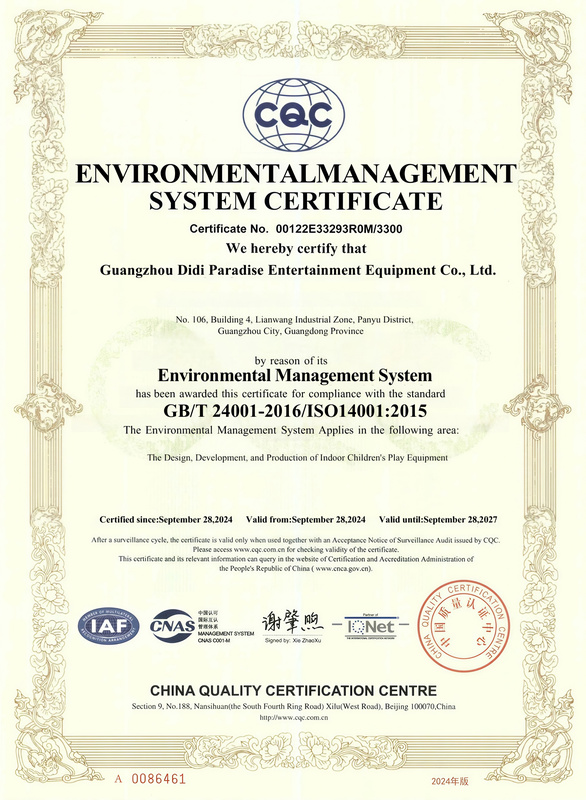
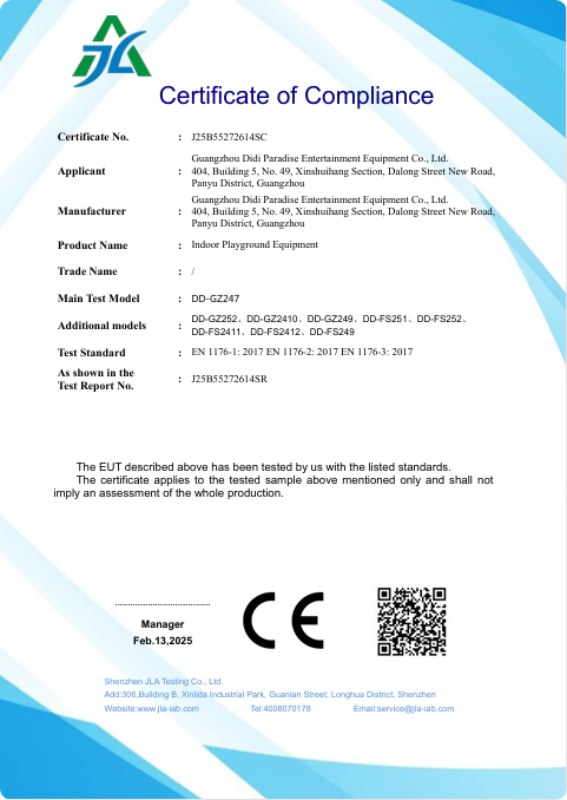
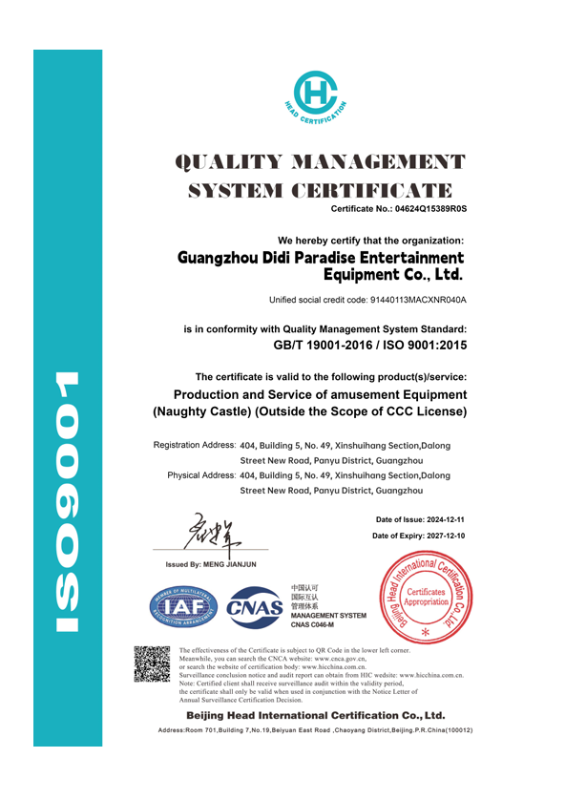
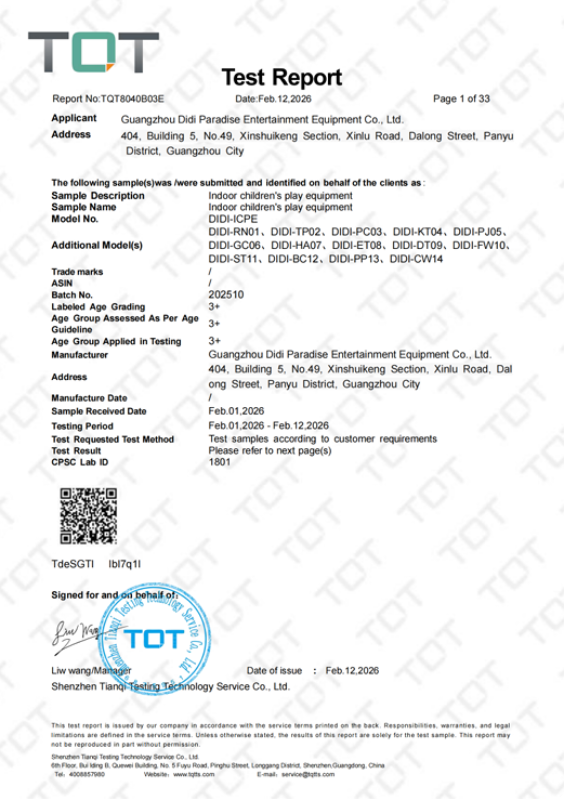
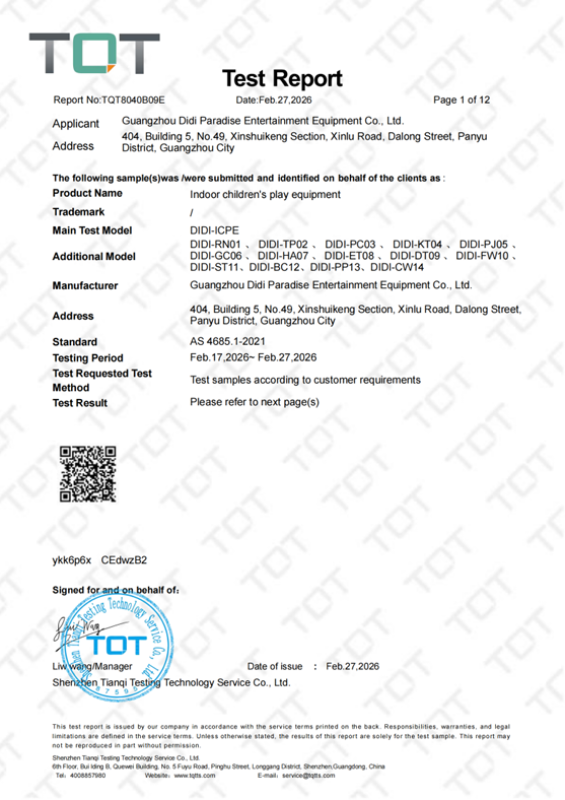
Ask where the foam play equipment is manufactured, which foam and cover materials are suggested, how barriers or netting are chosen, who is responsible for installation, what documentation is necessary for your project market, and which after-sales service options are available.
×
![Expanded Certificate]()
Commercial Planning & Evaluation Tools Suite
Streamline your commercial foam play equipment procurement. Utilize our proprietary engineering tools to evaluate spatial fit, verify maintenance routines, and build highly accurate RFQ scopes before moving to production.
Soft Play Zone Fit Matrix
Assess your venue layout against age band zoning, traffic routes, and capacity limits. Perfect for evaluating early concept sketches.
Launch Matrix
Commercial vs Retail Checker
Compare custom layout viability against standardized retail SKU options. Verify impact on safety, durability, and operational flow.
Run Checker
Soft Play RFQ Readiness
Generate a complete procurement specification covering high-density foam, cover materials, safety compliance, and installation requirements.
Build Scope
Buyer Questions Before Ordering A Soft Play Project
Have a room sketch, CAD file, or lease plan? Send it before selecting modules to get an accurate project evaluation.
Get a Quote for Custom Soft Play EquipmentUse the initial budget as a planning range, not as a Didi price quote. Equipment pricing is influenced by floor size, module mix, theme detail, safety documentation needs, packing, shipping market, and installation role. Send a floor plan and target age group before comparing offers.
Forum discussions about starting an indoor playground enterprise often mention rent, insurance, staff, safety policies, cleaning, and maintenance in addition to equipment. Your soft play quote should help separate equipment cost from venue operating cost. Budget review should also identify who will maintain the ball pit, who checks covers and mats, who performs minor repairs, and which costs belong to the landlord, operator, or equipment supplier. That split keeps the RFQ valid when several vendors reply with different scopes of work.
Didi Playground can generate a custom floor plan for mall toddler corners, hotel kids rooms, restaurant activity zones, daycare centers, and smaller FEC add-on hubs. Send the measured space and a few photos.
Foam play equipment usually covers soft modules such as mats, blocks, climbers, ball pit borders, and toddler structures. Indoor playground equipment can include larger steel-frame or multi-user climbing structures. Many projects combine both elements, but the soft play area still needs its own safety, cleaning, and age-band plan.
Ask the supplier which standards are appropriate to your project scope and target users. ASTM F1918-21 is often cited for soft contained play equipment, while surfacing and public-access play standards may also be relevant. Procurement should ask for the specific scope of any certificate; a certificate for one material, module, or project scope may not apply to the entire soft play area. Keep this question in writing before deposit authorization.
Send room dimensions, ceiling height, door and column locations, target child age, desired theme, required modules, shipping destination, and installation responsibility. Photos help, but a measured drawing is stronger.
![Custom Dinosaur Playground Equipment [Design Guide]](https://didiplayarea.com/wp-content/uploads/2026/09/custom-dinosaur-playground-equipment-r2-featured-1-150x150.png)