Get in Touch with Didi Land

How to Start an Indoor Playground Business: Cost, Plan, Equipment, and Launch Steps

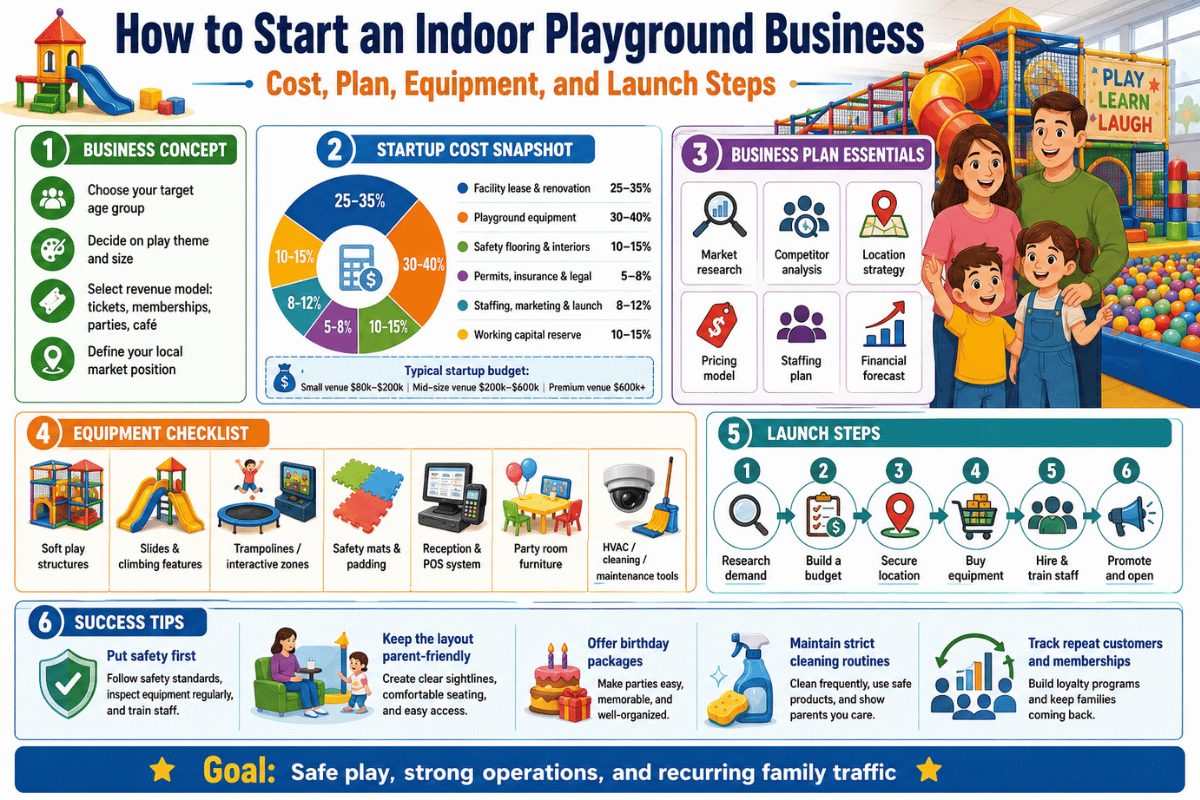
If you are researching how to start indoor playground business projects in 2026, do the lease math before the theme board. Soft play rooms, play cafes, dedicated indoor play centers, and family entertainment center anchors can all work, but each model has different rent, safety, staffing, party, and equipment requirements.
Quick Specs for First Planning
| Planning item | Practical range or checkpoint | Why it matters |
|---|---|---|
| Compact soft play or play cafe | Roughly 500 to 1,500 sq ft | Lower rent, tighter age range, faster party setup |
| Dedicated indoor play center | Roughly 1,500 to 4,000 sq ft | Needs stronger supervision, seating, and party flow |
| FEC or mall anchor | 4,000 to 10,000+ sq ft | Higher buildout, higher staffing, broader attraction mix |
| Equipment-only planning band | Often quoted from about $15,000 to $500,000+ | Commercial ranges vary by size, theme, material, freight, and install scope |
| Total launch budget | Add rent, buildout, deposits, permits, insurance, payroll, marketing, reserve cash | Equipment is only one line in the indoor playground business plan |
| Didi production planning reference | 35 to 50 days after approved indoor play structure drawings | Venue opening dates need buffer after design approval |
| Safety proof to request | ASTM F1487/F1918 context, EN 1176 where relevant, surfacing notes, install file | Public-use play equipment needs more proof than home-use toys |
Is an Indoor Playground Business Right for Your Market?
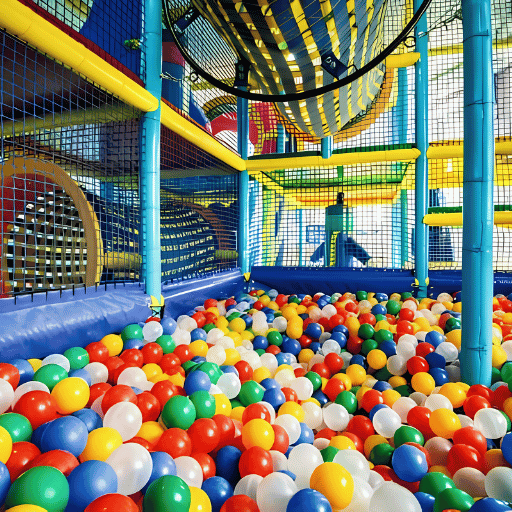
Begin with market research, not a sign. A paid-play business needs a local customer base with family spending habits, enough young households in the drive-time area, weak gaps in birthday party supply, and a site parents can reach without friction. National demand for indoor play does not mean one lease address can support rent every month.
One typical first screen is simple: list every indoor playground, trampoline park, gymnastics center, kids cafe, birthday venue, mall play area, library playroom, and church or school option within 15 to 25 minutes of that site. Record pricing, parking, party room count, busiest hours, review complaints, cleanliness comments, demographics, age groups served, and whether parents still have a comfortable place to wait.
Early risk is rarely “Do kids like to play?” Sharper operators ask whether enough parents will pay for repeat visits, parties, and memberships after the first month of curiosity fades.
| Market screen | Pass signal | Warning sign |
|---|---|---|
| Young-family density | Daycares, schools, pediatric clinics, and family housing nearby | Mostly commuter traffic with weak weekend family draw |
| Paid party demand | Existing venues book weekends weeks ahead | Parents expect free or very low-cost play |
| Competitor gap | Poor toddler zones, no cafe, no clean party rooms, or weak rainy-day option | Two polished competitors already serve the same age group |
| Weather and seasonality | Heat, cold, rain, or air-quality days push families indoors | Outdoor parks are pleasant and free most of the year |
| Parent comfort | Good seating, sightlines, Wi-Fi, restrooms, stroller route | Parents must stand, chase siblings, or leave for food |
Key insight: Do not open just because indoor playgrounds are fun. Open only when the local market has a paid-play gap, a birthday-party gap, and a site that can turn first visits into repeat customers.
Pick the Format Before You Price Anything: Soft Play, Play Cafe, FEC, Franchise, or Independent Build
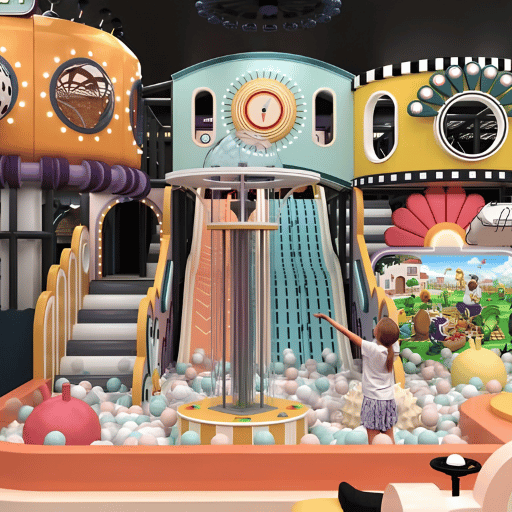
The business model controls the budget. A soft play area inside a family restaurant is not the same project as a full indoor playground for family entertainment centers. Determine the smallest range of services that can earn enough from the target audience before adding attractions that increase payroll and inspection requirements.
For a venue owner who already has traffic, a commercial soft play set can add dwell time. For a new business owner, a play cafe may be easier to explain to parents than a large family entertainment center. For a mall or destination site, a larger indoor play structure can justify a higher ticket and party package, but it also needs more staff, cleaning, and documentation.
| Model | Typical fit | Revenue stack | Risk to check first |
|---|---|---|---|
| Soft play rental or corner | Toddlers, events, restaurants, small rooms | Hourly rental, add-on party package | Cleaning load and wear on soft shapes |
| Play cafe | Parents of toddlers and preschoolers | Open play, coffee, snacks, small parties | Food permits, parent seating, low weekday traffic |
| Dedicated indoor playground | 3 to 12 age groups, party-driven venues | Open play, birthday parties, memberships, private events | Lease size, staffing, supervision, replacement parts |
| FEC or mall anchor | Large footfall, mixed attractions, older children | Tickets, parties, arcade, cafe, memberships | Buildout, staff count, insurance, attraction mix |
| Franchise | Owners who want a playbook and brand controls | Set packages plus royalties or fees | Territory, fee load, vendor limits, local fit |
For physical venue models, Didi’s commercial soft play sets and indoor playground for family entertainment center pages show how scope increases by venue type.
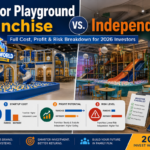
Is an indoor playground franchise better than an independent build?
Franchise support may assist with branding, vendor lists, training, and an initial pricing model. Independent builds offer more control over theme, supplier, menu, floor plan, marketing plan, and local positioning. Fee math matters more than personality: compare franchise fees, royalties, vendor requirements, territory rights, lease support, marketing fund rules, and exit provisions against the cost of hiring your own designer, accountant, attorney, and supplier.
Key point: Price the model first. Too many weak indoor playground business plans fail because the owner chooses equipment before choosing the business model for opening an indoor venue.
Build a Startup Budget That Separates Equipment From the Whole Business
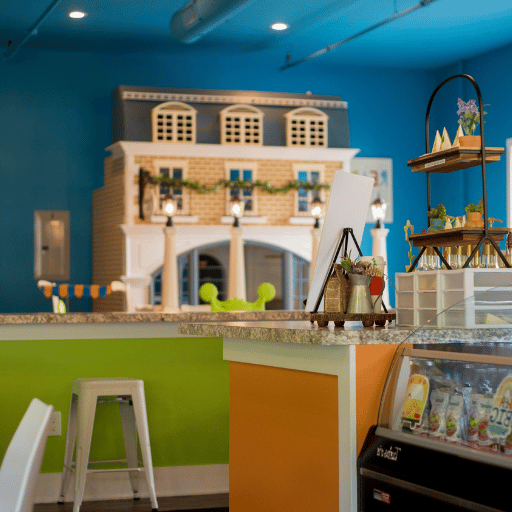
Indoor playground equipment cost is not the same as startup cost, and equipment prices can hide freight, install, surfacing, and drawing work. Commercial guides often place total launch budgets in a broad $50,000 to $500,000+ range, and larger FEC-style builds can cost more. Treat those numbers as a planning band; the actual figure depends on the lease, city work, MEP needs, fire review, food scope, equipment size, freight, installation, insurance, and cash reserve.
Itemize the budget before you approach a landlord. Cheap equipment may still turn into a weak deal if the site needs costly restrooms, exits, HVAC, sprinkler work, flooring, or food-service changes. A higher equipment proposal may be more practical if the supplier provides shop drawings, standards documentation, spare parts, install support, and lead time you can plan around.
How much does it cost to start a kids indoor playground?
Begin with the first budget guide below. Substitute each figure for a local quote before committing to a lease or heavy equipment deposit.
| Budget line | Early planning range | Quote source to collect |
|---|---|---|
| Equipment package | $15,000 to $500,000+ | Supplier quote with drawings, materials, freight, install scope |
| Lease deposit and first rent | 1 to 6 months of rent | Landlord term sheet and attorney review |
| Buildout and finishes | Varies sharply by building | Contractor bid tied to permitted drawings |
| Safety surfacing and flooring | Varies by fall height and use zone | Equipment supplier plus inspector/insurer requirements |
| Permits and professional fees | Local quote required | City, architect, engineer, fire, health, legal |
| Insurance | Local quote required | Broker familiar with family entertainment or child-focused venues |
| Payroll before break-even | At least 60 to 90 days planned | Schedule model by weekday, weekend, party, cleaning windows |
| Launch marketing | Grand opening plus 90 days | Local ads, school/daycare outreach, party pre-sales |
| Maintenance and replacement reserve | Monthly reserve, not leftover cash | Supplier spare-parts list and operating history |
Use the indoor playground cost-tier calculator as a first equipment-scope screen; afterward, put every non-equipment number into your own spreadsheet.
Key lesson: The most conservative budget issue is not “How much does play equipment cost?” but rather “What amount of cash is needed to operate a lease, a build, a launch and a first party week?”
Write the Indoor Playground Business Plan Around Capacity and Revenue, Not Just Vision
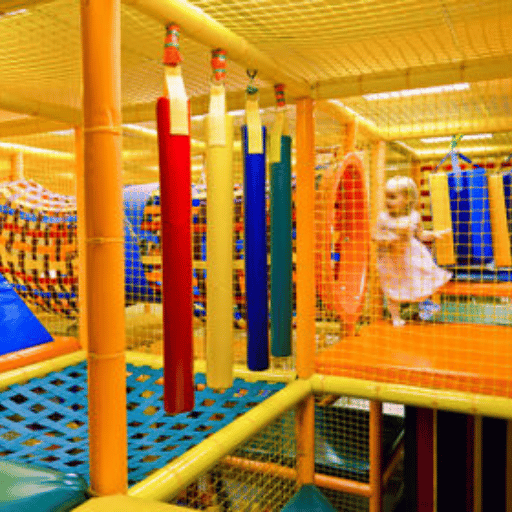
According to the U.S. Small Business Administration, a business plan should include market analysis, the service or product line, marketing and sales, financial projections, cost structure, and revenue streams. For an indoor playground business plan, those sections require venue math. Pretty themes do not support rent unless the floor plan supports entries, parties, cleaning, and parent flow.
Construct the plan on five figures: safe child capacity, average ticket price, party package margin, weekly party slots, and staff hours. Then create a business plan that stress-tests conservative weekday traffic. New indoor play businesses should not need flawless Saturday sales to handle Tuesday payroll.
| Revenue stream | Assumption to validate | Floor-plan implication |
|---|---|---|
| Open play | Hourly or session price, repeat rate, slow-day traffic | Entry desk, shoe storage, sightlines, parent seating |
| Birthday parties | Weekend slots, room turn time, package margin | Party room next to play area, cleaning route, food path |
| Memberships | Monthly price, family cap, blackout rules | Check-in speed and crowd control |
| Cafe or snacks | Permit level, margin, labor, waste | Handwashing, storage, seating, health review |
| Private events | After-hours demand and staffing | Lockable zones, cleaning after events, security |
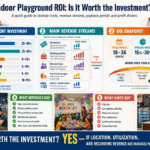
The indoor playground ROI calculator can help estimate payback assumptions after the site, model, and equipment tier are known.
Key takeaway: A serious business plan converts theme ideas into capacity, party hours, labor, cleanup time, and cash reserve.
Choose a Location and Floor Plan That Can Actually Operate
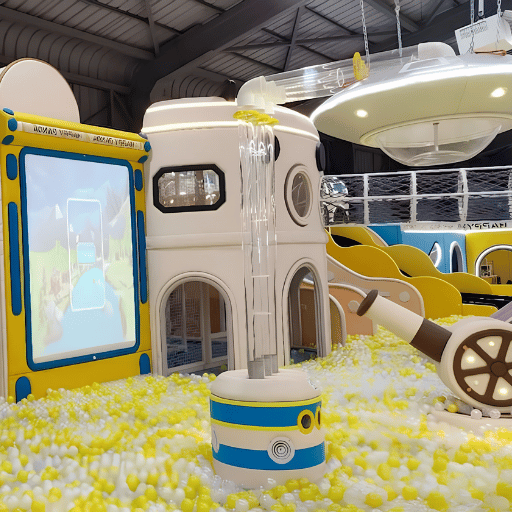
A location may seem inexpensive and still perform poorly as an indoor play space. Before committing to a deposit, check ceiling height, columns, exits, bathrooms, stroller access, freight doors, parent seating, sightlines, sound, HVAC, parking, food-service limits, and party-room proximity. Send the dimensions, ceiling height, columns, photos, different age groups, and theme ideas to the equipment team for space-plan review because site data becomes an installation timeline issue, not just a design issue.
Access Board guidance states that play-area guidelines apply to newly designed or constructed play areas for children 2 years and older and include accessible routes to play components. ADA.gov Title III guidance also says businesses open to the public generally must meet access duties unless an exemption applies. Bring accessibility into the first sketch rather than waiting for a late inspection question.
| Site check | Ask before lease | Operational reason |
|---|---|---|
| Ceiling and columns | Can the play structure fit with safe clearance? | Changes slide height, deck count, and age fit |
| Restrooms | Enough fixtures for child and parent volume? | Controls comfort and party flow |
| Entry and shoe zone | Can check-in, waivers, socks, and storage fit? | Prevents front-door crowding |
| Parent seating | Can adults see the key play zones? | Parents stay longer when they feel calm |
| Delivery access | Can equipment enter without costly demolition? | Avoids freight and install surprises |
| Cleaning route | Can staff reach ball pits, mats, tunnels, party rooms? | Maintenance should not fight the layout |
Use the soft play layout fit calculator and quote readiness checker before requesting final drawings.
Important point: A fair lease is not just cheap rent. It is a room that can pass review, move families, hold parties, and be cleaned all week long.
Select Commercial Indoor Playground Equipment by Age Band, Footprint, and Safety Proof
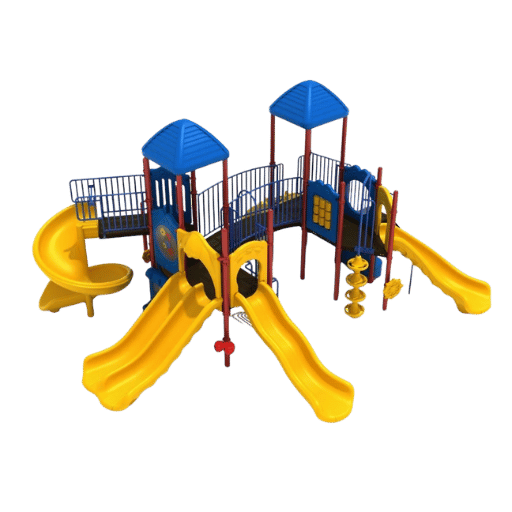
Commercial indoor playground equipment should match the age groups, play style, supervision level, and venue model. Toddlers need different soft play movement than 8-year-olds. Play cafes need parent visibility and lower play components. A professional playground for family entertainment centers might need themed indoor playgrounds, a jungle gym, slides, interactive projection, and a birthday photo moment.
CPSC’s current handbook frames public playground guidance for children from 6 months through 12 years and says its guidance is not one mandatory rule for every site. IPEMA’s product certification validates conformance to selected ASTM standards, including ASTM F1487-25 and surfacing standards. IPA USA lists ASTM F1487 for public-use playground equipment and ASTM F1918 for soft contained play equipment.
How do I choose indoor playground equipment?
Choose by age band first, then footprint, then revenue goal. Didi’s public indoor play structures page references ASTM F1487-21, EN 1176, EN 1177, TUV, CE, and ISO 9001:2015, plus 600+ commercial projects and 30+ countries. Its indoor jungle gym equipment page separately references EN 1176, AS 4685.1, ASTM F381-16, CE, ISO 9001:2015, and 600+ projects in 40+ countries. Take those as page-specific public claims and ask for the document packet tied to your order, including equipment and layout details.
| Equipment type | Best fit | Buyer check |
|---|---|---|
| Toddler soft play | Play cafe, daycare, restaurant corner | Cleanable covers, age labels, traffic flow |
| Multi-level play structure | Dedicated indoor play center | Deck height, sightlines, exits, install drawings |
| Indoor jungle gym | Older children and active climbing | Fall zones, rope/net wear, inspection path |
| Themed playground | Mall, FEC, destination party venue | Photo value without blocking supervision |
| Ball pit or sensory zone | Younger age groups and calm play | Sanitation plan and retrieval access |
| Interactive projection | Repeat visits and event add-ons | Service support, content refresh, darkening needs |
| Mixed FEC package | Large venues with varied age groups | Staffing, insurance, and traffic split by zone |
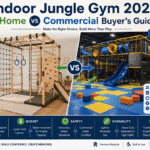
Compare indoor jungle gym equipment, commercial indoor playground equipment, toddler-focused indoor play, and jungle gym tier planning options if your venue is geared toward younger children.
As a core point: The choice of equipment does not come out of the catalog. It is an age-band, safety-proof, footprint, maintenance, and financial decision.
Permits, Insurance, and Safety Documents: What to Verify Before Opening
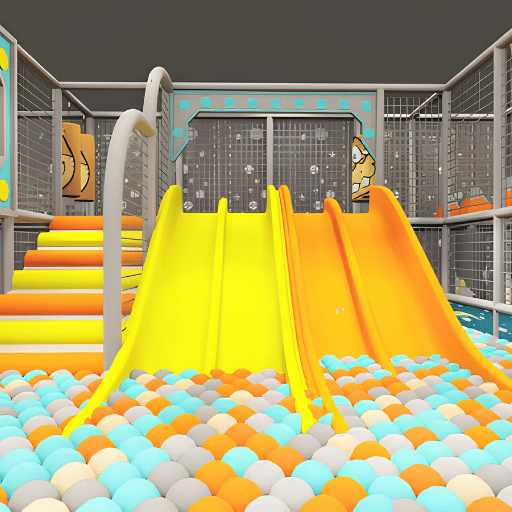
You should expect that most licenses and permits will be a combination of federal, state, and local agency requirements and will be activity and location specific. Your indoor playground may require a general business license, zoning/use approval, building permit, certificate of occupancy, fire inspection, health permit if serving food, sales-tax registration, signage permit, and insurance review. Playground owners should not accept any online list as legal advice for a specific city.
Prepare a safety file before launch: supplier drawings, material list, standard references, installation records, surfacing notes, inspection checklist, cleaning schedule, incident report form, staff training checklist, insurance certificate, and local permit approvals.
| Document | Who usually asks for it | What to verify |
|---|---|---|
| Business license and tax setup | City, county, state | Entity name, address, renewal dates |
| Zoning/use approval | Planning or zoning office | Indoor recreation, assembly, food use, parking |
| Fire and occupancy review | Building/fire authority | Exits, alarms, sprinklers, occupant load, aisle clearances |
| Equipment documentation | Inspector, insurer, owner | Applicable standard, material, install, maintenance file |
| Cleaning and incident logs | Manager, insurer, regulator after issue | Dates, staff initials, action taken, closure |
| Insurance binder | Landlord, lender, owner | Activities covered, exclusions, staff rules, incident process |
Use the ASTM / EN 1176 compliance checker and a playground standards checklist as early prompts for questions to ask suppliers and inspectors.
Key takeaway: The permit file is not a clerical file. Its purpose is to protect the opening date, the relationship with the landlord, the insurance coverage, and the trust of the parents.
Launch Operations: Staffing, Cleaning, Parties, Memberships, and Marketing
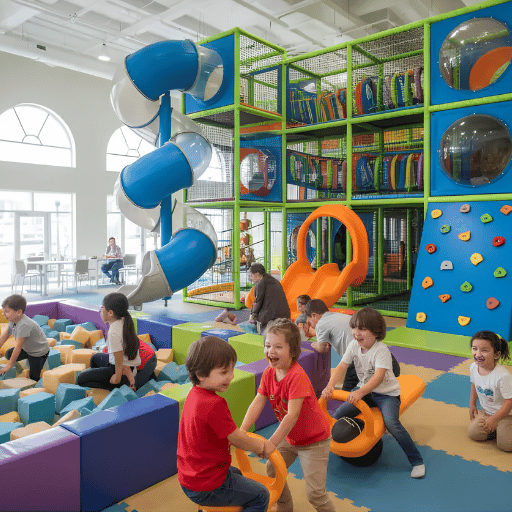
An indoor playground business truly exists after opening weekend. Staff need to check the play area, greet families, enforce socks and age rules, reset parties, clean high-touch surfaces, respond to incidents, and explain memberships without turning the lobby into a sales desk.
CDC facility guidance recommends regular cleaning of high-touch surfaces, cleaning surfaces before disinfecting them, and disinfecting after illness or in higher-risk, high-traffic settings. OSHA provides small-business safety resources, including safety programs, consultation, and recordkeeping. For indoor play areas, daily habits are just as important as launch advertising: parents judge a play place by its restroom conditions, sock policy, and staff response to messes.
| First 90 days | Operating focus | Measure weekly |
|---|---|---|
| Days 1-14 | Soft opening, staff drills, cleaning rhythm, waiver flow | Check-in time, parent complaints, cleaning misses |
| Days 15-30 | Birthday package testing and school/daycare outreach | Party inquiries, booking rate, room turn time |
| Days 31-60 | Membership offer, weekday events, parent feedback | Repeat visits, slow-day sales, membership churn |
| Days 61-90 | Staff schedule reset, maintenance reserve, party upgrades | Payroll ratio, repair tickets, cash reserve, review themes |
NRPA’s playground safety page points owners toward inspection culture and a Daily Dozen checklist approach. Your indoor playground can adapt that habit into opening, mid-day, party-turn, and closing checks. A clean record helps staff spot wear before a parent notices it; paperwork is only useful when it changes behavior.
Key takeaway: Launch advertising will fill the room once; your cleaning, staffing, party-flow and incident-responding habits will determine whether those families return.
2026 Outlook: Smaller Formats, Better Quote Readiness, and Higher Proof Expectations
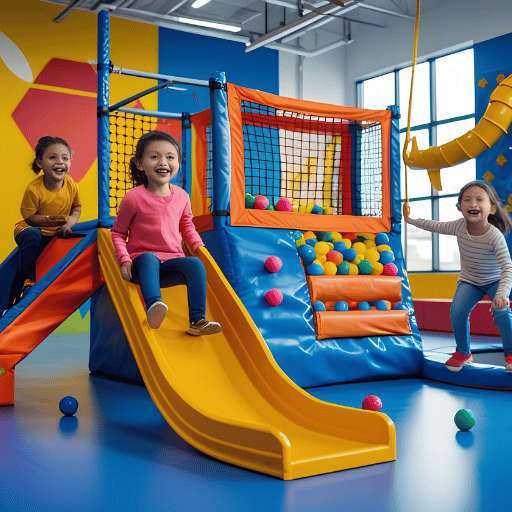
The 2026 indoor playground industry appears more proof-oriented than theme-oriented. IAAPA’s 2025 Entertainment Center Benchmark Series, based on calendar-year 2024 data, examines staffing, guest behavior, revenue generation, and expense management. Market research vendors also forecast growth in family and indoor entertainment centers, though those figures are model-based projections rather than local demand proof.
For founders who want to launch an indoor playground, the practical shifts are clear. Smaller play cafe concepts reduce the first lease bet and can still become a profitable play venue if parties, memberships, and cafe sales are tested carefully. Larger venues still work when there is footfall, strong party demand, and a varied attraction plan. Buyers are asking more questions about standards, cleaning, insurance, production timing, spare parts, and whether the supplier can work from actual room dimensions.
| 2026 signal | What it means | Action before deposit |
|---|---|---|
| Smaller format interest | Play cafe and soft play models may reduce first-project risk | Test weekday traffic and party demand before adding attractions |
| Cost uncertainty | Freight, buildout, local review, and insurance can move the budget | Get equipment, landlord, contractor, and insurer quotes in parallel |
| Higher safety proof | Parents, landlords, and insurers want documentation | Ask for drawings, standards, materials, install notes, and maintenance file |
| Better quote readiness | Vague “how much” questions delay real pricing | Send site dimensions, ceiling, columns, photos, age range, and target model |
The best 2026 founders will not be the loudest theme buyers. Those founders will be the ones with proven local demand, a specific model, quote-ready site data, and safety documentation.
The 4-Gate / 12-Checkpoint Indoor Playground Launch Matrix
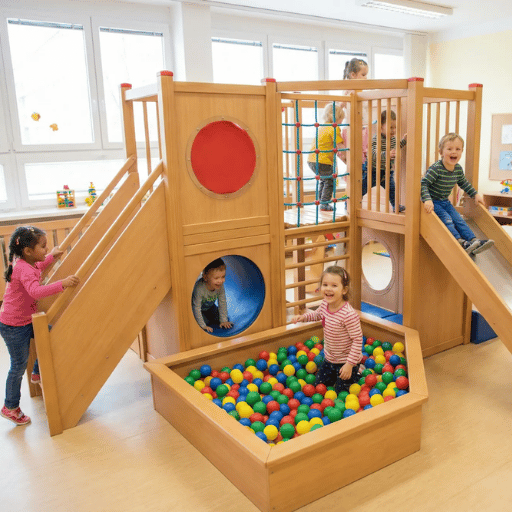
Use this decision matrix before you commit to a deposit. One failed checkpoint by itself isn’t always fatal, but it does mean you should re-visit the budgeting, lease, equipment scope, or open date.
| Gate | Checkpoint | Pass condition |
|---|---|---|
| Market | Parent demand | Paid-play gap documented in drive-time area |
| Market | Competitor scan | Pricing, parties, reviews, and crowding recorded |
| Market | Revenue need | Parties or memberships support more than walk-in tickets |
| Site | Lease fit | Ceiling, exits, bathrooms, delivery access checked |
| Site | Parent flow | Seating, sightlines, stroller route, party room mapped |
| Site | Maintenance access | Cleaning route and spare-part access planned |
| Equipment | Age bands | Toddler, 3-6, 6-12, or mixed zones selected |
| Equipment | Safety proof | Commercial-use documents requested before deposit |
| Equipment | Supplier support | Install, spare parts, warranty, quote path clear |
| Revenue | First 90 days | Opening, memberships, and party packages scheduled |
| Revenue | Staff model | Training, incident logs, cleaning windows assigned |
| Revenue | Reinvestment | Maintenance and refresh budget reserved |
Next Step With Didi
Once your model, age groups, room size, and budget band are settled, send Didi your floor plan, ceiling height, columns, site photos, target ages, and target opening date. A 2D/3D layout review can turn a rough indoor play area idea into a quote-ready equipment plan and a cleaner project timeline.
Use the path of least friction: pick a model, get the site data, then request a custom quote.
FAQ
Are indoor kids playgrounds profitable?
View Answer
They can be, but profit is a matter of rent paid, staff paid, birthday party volume, memberships generated, equipment debt paid, insurance costs, and generating repeat visits. Build the plan around conservative weekday traffic and real party-room capacity, not simply expecting weekend-to-weeknight two-shift excitement.
What permits are needed for an indoor playground?
View Answer
Common checks are limited to business license, zoning/use approval, a building permit, certificate of occupancy, a fire inspection, a health permit if food is offered, tax registration, and signage approval. Local rules vary by city, state, whether food is served, type of building, and the scope of the insurer.
What is needed to open an indoor playground?
View Answer
You need a market screen, business plan, a lease ready location, equipment drawings, safety documentation, permits, insurance, trained staff, cleaning process, pricing, launch calendar, and sufficient reserve cash flow for the first few slow months.
Can I start an indoor playground with no experience?
View Answer
Yes, but you should buy experience through advisors: accountant, lawyer, lease review, insurance broker, play equipment supply partner, building inspector, and perhaps an operator mentor. Most costly mistakes are lease related, permit related, insurance related, staffing related, and maintenance related.
Should I buy indoor playground equipment before signing a lease?
View Answer
Do not obtain final equipment until you have a verified room, ceiling height, location of columns, first exit, loading/unclean delivery access, floor plan, target age groups, and local path of review.
What age groups should a new indoor play area serve first?
View Answer
Choose a target age range of children that your market and site can serve. Toddlers require soft, visible, and easy clean surfaces for play. 3-6 year olds require active play features with due caution to supervision. Slightly older children may appreciate climbing, challenge, arcade, or FEC add-ons.
Is a play cafe cheaper than a full family entertainment center?
View Answer
Usually, a smaller footprint and fewer target age ranges reduce the first budget. Its tradeoff is revenue ceiling. Play cafes still need rent, food or beverage compliance when applicable, insurance, cleaning, staff, and repeat traffic.
How long does custom indoor playground equipment take to produce?
View Answer
Didi’s indoor play structures page records a 35-50 day production window referencing an approved set of drawings. Shipping time, customs time, local build time, inspection, and installation all can be factored into the planning calendar.
Related Articles and Tools
- Indoor play structures
- Indoor playground cost-tier calculator
- Indoor playground ROI calculator
- ASTM / EN 1176 compliance checker
- Indoor jungle gym equipment
- Commercial soft play sets
References and Sources
- U.S. Consumer Product Safety Commission – Public Playground Safety Handbook
- U.S. Consumer Product Safety Commission – Public Playground Safety Checklist Context
- U.S. Small Business Administration – Write Your Business Plan
- U.S. Small Business Administration – Apply for Licenses and Permits
- U.S. Access Board – Chapter 10: Play Areas
- ADA.gov – Businesses That Are Open to the Public
- IPEMA – Certification Program
- IPA USA – Playground Safety Resources
- CDC – When and How to Clean and Disinfect a Facility
- OSHA – Small Business Safety Resources
- IAAPA – 2025 Entertainment Center Benchmark Series
- National Recreation and Park Association – Playground Safety
SYS.00 // E-E-A-T Disclosure
Why I Write This
As the CEO and Co-Founder of a specialized manufacturing facility, my objective is to provide unvarnished, factory-direct technical insights into commercial indoor playground engineering, safety compliance, and project planning. I aim to bridge the information gap for global buyers seeking reliable structural and material data, ensuring you make informed, ROI-driven decisions without the marketing fluff.
About My Business
Guangzhou Didi Land Amusement Equipment Co., Ltd. (Brand: Didi Land) is a commercial indoor playground equipment manufacturer founded in 2014. Operating from Panyu, Guangzhou, China, we engineer, produce, and export commercial-grade play structures to over 40 countries worldwide. Our production lines strictly adhere to international safety frameworks, ensuring durability and safety for high-traffic environments.
Our Services
We provide end-to-end B2B commercial solutions: from custom 3D spatial design and OEM manufacturing to worldwide export logistics and compliance testing. Our focus is on empowering Family Entertainment Centers (FECs), shopping malls, kindergartens, and hospitality venues with reliable, high-capacity play infrastructure.
DATA_MATRIX // MANUFACTURER_PROFILE
Name:
Cherry
Role:
CEO & Co-Founder
Brand Name:
Didi Land
Company:
Guangzhou Didi Land Amusement Equipment Co., Ltd.
Location:
Guangzhou, Panyu, China
Founded:
2014
Products:
Indoor Playground Equipment, Soft Play Equipment, Themed Playground Design, FEC Play Zones, Trampoline Modules, Ninja / Obstacle Course Modules
Email:
conglizhang1@gmail.com
Phone:
+86 199 2587 9517
Website:
didiplayarea.com
COMPLIANCE & STANDARDS:
ASTM F1487 · ASTM F1918 · EN 1176 · CPSIA · CE · ISO 9001 · IPEMA
Contact Factory Direct
ASTM F1487 · ASTM F1918 · EN 1176 · CPSIA · CE · ISO 9001 · IPEMA
Related Posts


Trending now